Best Congratulations Flowers for Graduation
6 min read
Contents:
- Why Flower Choice Matters More Than You Think
- Top Graduation Flowers and What They Communicate
- Sunflowers: The Celebration Default
- Roses: Classic With Caveats
- Lilies: Elegant and Long-Lasting
- Peonies: Beautiful But Seasonal
- Mixed Bouquets: Practical and Versatile
- Graduation Flowers vs. Potted Plants: Knowing the Difference
- Regional Differences in Graduation Flower Traditions
- Practical Tips for Buying Graduation Flowers
- Frequently Asked Questions About Graduation Flowers
- What flowers are traditional for graduation?
- How much should I spend on graduation flowers?
- What color flowers are best for graduation?
- How do I keep graduation flowers fresh during the ceremony?
- Can I send graduation flowers instead of bringing them?
- Making Your Pick
Flowers and academic achievement have been intertwined for centuries. Ancient Greek scholars wore laurel wreaths to mark intellectual distinction — a tradition that quietly evolved into the floral congratulations we know today. By the Victorian era, giving blooms after a milestone was standard social protocol, each flower carrying a coded meaning that the recipient was expected to decode. Graduation flowers carry that same weight now, even if most people have stopped reading the flower language dictionary.
Choosing the right graduation flowers isn’t complicated, but it does require a little thought — about the graduate, the setting, and how much space the recipient actually has to display a massive arrangement. Here’s what actually works.
Why Flower Choice Matters More Than You Think
A bouquet handed to a graduate in front of family and photographers becomes part of the visual memory of that day. Color, scale, and variety all matter. Sunflowers photograph better outdoors in bright light. White flowers pop against dark graduation gowns. Tight, compact arrangements hold up better in summer heat than loose, open blooms like peonies or garden roses, which can wilt within 90 minutes in direct sun.
For apartment dwellers or graduates moving into small spaces, a modest 5–7 stem bouquet is far more practical than an oversized centerpiece-style arrangement. Vase space is real estate. A thoughtful smaller bouquet that lasts a week beats a sprawling one that dies in two days for lack of proper care.
Top Graduation Flowers and What They Communicate
Sunflowers: The Celebration Default
Sunflowers are the most forgiving graduation flower you can buy. They’re heat-tolerant, long-lasting (7–12 days in a vase with fresh water), and visually bold without being fussy. A bundle of 6 large sunflowers from Trader Joe’s runs about $7–$10. From a florist, a wrapped 12-stem sunflower bouquet typically costs $35–$55. Yellow signals optimism and new beginnings — fitting for a grad stepping into whatever comes next.
Roses: Classic With Caveats
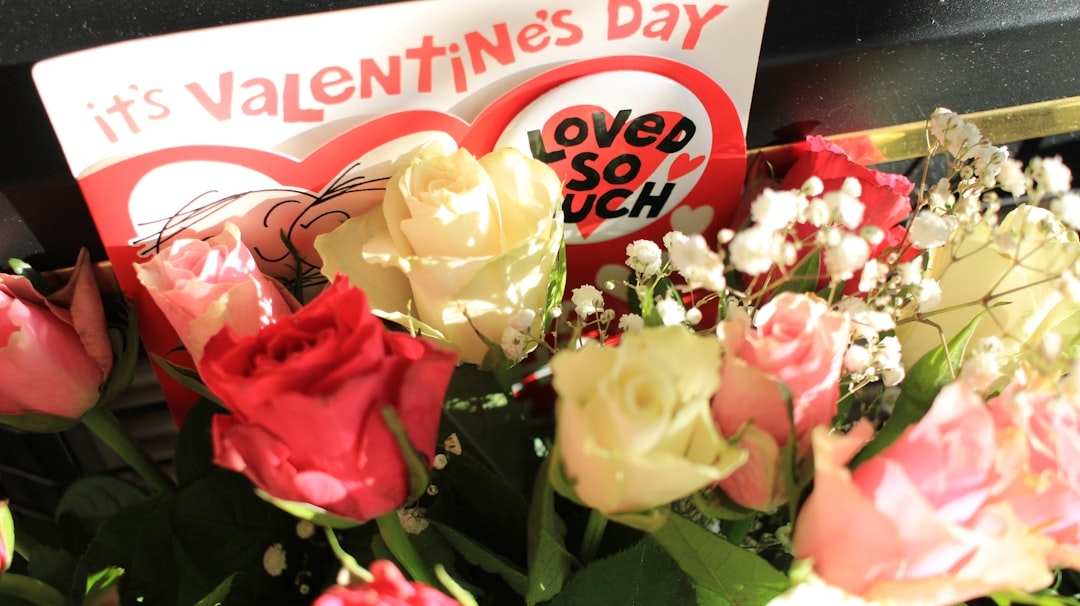
Red roses mean love, which can read as romantic rather than celebratory depending on your relationship to the graduate. Better choices for graduation: yellow roses (friendship, joy), coral roses (enthusiasm, pride), or a mix of white and pink. A dozen long-stem roses from a florist runs $60–$90 in peak season. Ask specifically for “high-headed” roses — these are tighter buds that won’t open and drop petals before the ceremony ends.
Lilies: Elegant and Long-Lasting
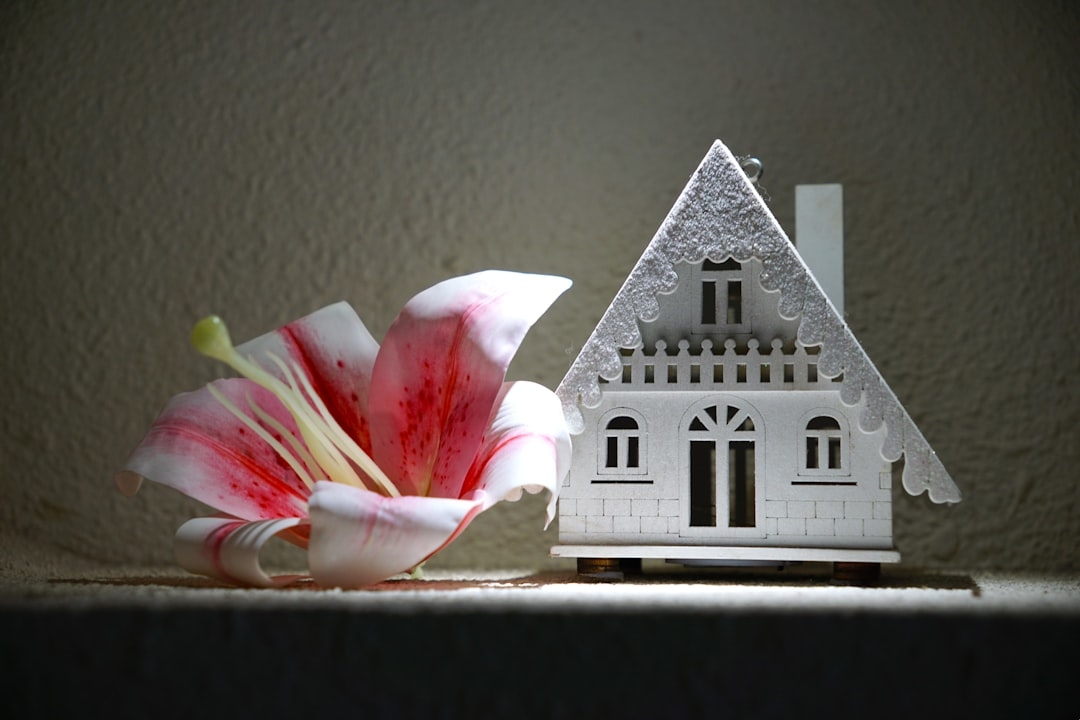
Stargazer lilies and white Asiatic lilies are strong picks. They last 10–14 days, open gradually over several days, and make a dramatic visual statement. One caution: Oriental lilies (including Stargazers) have a strong fragrance that can be polarizing. If the graduate is sensitive to scent, stick with Asiatic or LA hybrid lilies, which are virtually odorless. A 5-stem lily bouquet typically runs $30–$50 at a florist.
Peonies: Beautiful But Seasonal
Peonies peak from late April through early June, which aligns conveniently with spring graduations. They’re lush, romantic, and popular — but they’re also fragile in heat and expensive ($8–$15 per stem at florists during peak season). If the ceremony is outdoors in temperatures above 75°F, skip peonies. They’ll look wilted in graduation photos within an hour.
Mixed Bouquets: Practical and Versatile
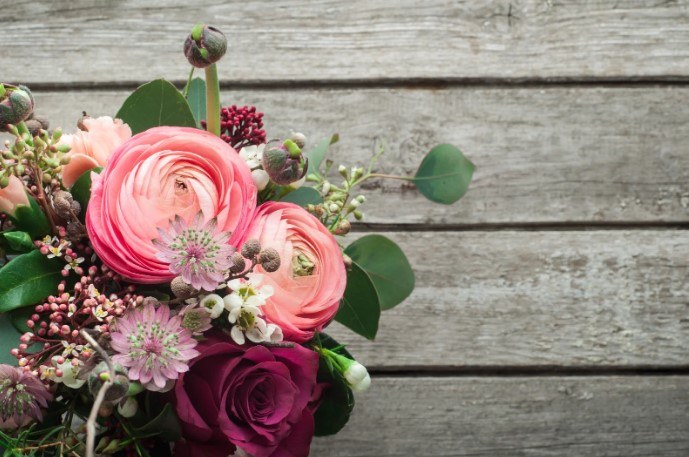
A well-designed mixed bouquet — say, 3 roses, 3 sunflowers, 2 stems of eucalyptus, and some filler — gives color variety, layered texture, and a longer overall vase life because different flowers die at different rates. Most florists can build a custom mixed bouquet for $45–$75, and it reads as more considered than a single-variety bunch.
Graduation Flowers vs. Potted Plants: Knowing the Difference
Potted plants are often suggested as a “longer-lasting alternative” to cut flowers. That’s true in theory. In practice, a potted succulent or orchid given to a grad who’s about to move into a dorm, cross-country apartment, or temporary housing becomes a logistical burden. Cut flowers last 1–2 weeks and then disappear cleanly. A potted plant requires ongoing care, transportation, and commitment.
The exception: if you know the graduate has an established home and a track record with plants, a potted orchid ($25–$40 at Whole Foods or a garden center) is a genuinely memorable gift. Otherwise, stick with cut flowers. They serve the moment without creating an obligation.
Regional Differences in Graduation Flower Traditions

Flower culture varies more by region than most people expect. In the Northeast, particularly in cities like Boston and New York, florists lean toward structured, European-style arrangements — tight, sculptural, and restrained. Expect higher price points ($60–$120 for a florist bouquet) and a preference for white, cream, and blush tones.
In the South, graduation flowers tend to be larger and more expressive. Bright colors — hot pink, yellow, orange — are embraced, and magnolia branches or gardenias occasionally appear in arrangements as regional signatures. Grocery store floral departments (Publix, H-E-B) are widely used and deliver surprisingly solid quality for $20–$40.
On the West Coast, particularly in California, there’s a strong preference for loose, garden-style bouquets with seasonal, locally grown stems. Farmers’ market flowers are genuinely popular — and often fresher than florist stock. Look for California Grown labels. Prices are competitive: $30–$60 for a substantial market bouquet.
Practical Tips for Buying Graduation Flowers
- Order early. Florists book out 5–7 days ahead during May and June. Same-day orders risk limited selection.
- Ask about vase life. A reputable florist will tell you honestly which flowers will last longest. If they can’t answer, shop elsewhere.
- Bring water. If you’re attending an outdoor graduation, bring a small bucket or wrapped wet paper towels to keep stems hydrated between the ceremony and wherever you’re headed next.
- Skip baby’s breath as filler. It dates an arrangement visually. Ask for eucalyptus, Italian ruscus, or leather leaf fern instead.
- Match color to regalia. Find out the school’s graduation gown color beforehand. A deep burgundy robe pairs poorly with red roses but beautifully with white or yellow flowers.
Frequently Asked Questions About Graduation Flowers
What flowers are traditional for graduation?
There’s no single traditional graduation flower in the US. Sunflowers, roses, and lilies are the most commonly given. In some Latin American cultures, white flowers — particularly white roses or white lilies — are traditional for academic milestones and symbolize purity and achievement.
How much should I spend on graduation flowers?
A practical range is $30–$75 for a bouquet from a local florist. Grocery store arrangements run $15–$40 and are a reasonable option, especially if purchased the morning of the event. Avoid ordering from unknown online delivery services — quality is inconsistent and late deliveries during graduation season are common.
What color flowers are best for graduation?
Yellow and gold signal achievement and optimism — the most universally appropriate colors. White conveys clarity and new beginnings. If you know the graduate’s favorite colors, use those. School colors are another reliable option: a bouquet in blue and gold or crimson and white reads as intentional and thoughtful.
How do I keep graduation flowers fresh during the ceremony?
Keep stems in water until 30 minutes before you need them. Wrap the bottom third of the stems in wet paper towels, then wrap in plastic wrap or foil to retain moisture. Avoid leaving flowers in a hot car — temperatures above 85°F can cause wilting within 20 minutes.
Can I send graduation flowers instead of bringing them?
Yes. Most florists offer same-day or next-day delivery. For delivery to a dorm or temporary address, confirm the delivery window with the recipient first. Graduated students often move around graduation weekend, and unattended deliveries left outside in summer heat won’t survive long. Coordinate timing directly.
Making Your Pick
Start with what you know about the graduate — their personality, their living situation, their tolerance for high-maintenance gifts. Then factor in the season, the venue, and your budget. A $35 sunflower bouquet bought from a farmers’ market the morning of graduation will always outperform a wilted $90 arrangement that traveled poorly from an online retailer.
If you’re still uncertain: yellow sunflowers plus a handwritten card. It works every time, in every city, for every graduate. Simple, bright, and genuinely hard to get wrong.