The Role of Flowers in LGBTQ+ Weddings
4 min read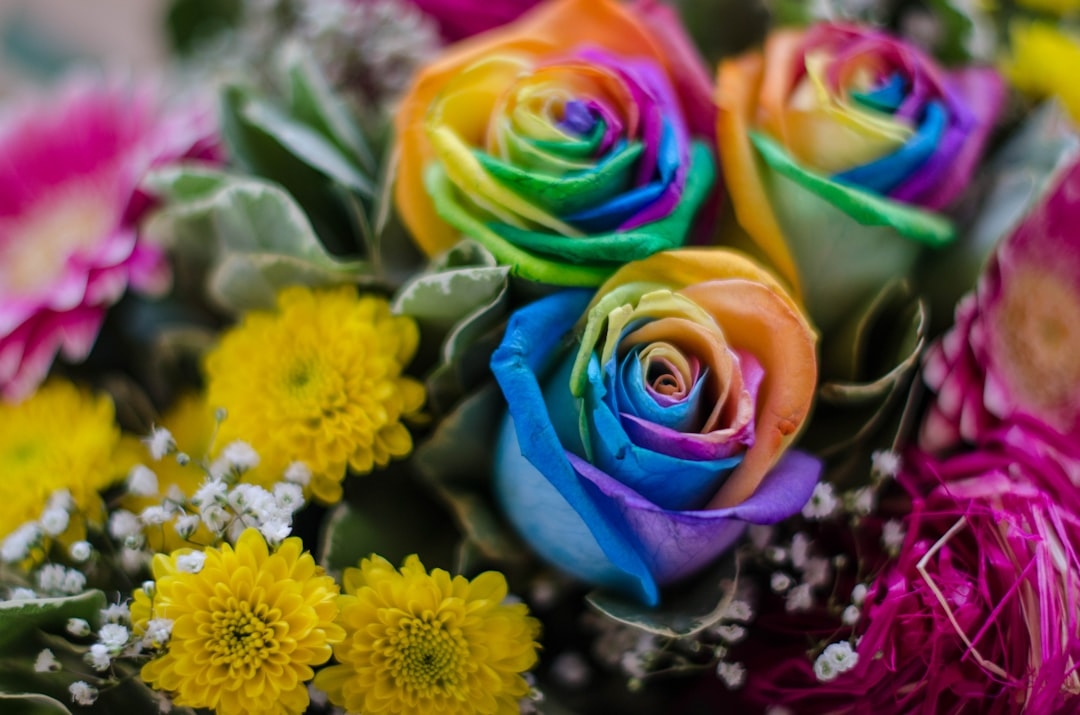
Contents:
- The Significance of Flowers in LGBTQ+ Weddings
- Personalization Over Tradition
- Symbolism and Pride: Beyond the Rainbow
- Creative Floral Moments in Queer Weddings
- Honoring Loved Ones and Community
- Tips for Planning Wedding Flowers as an LGBTQ+ Couple
- Making Every Petal Count
Flowers are more than just beautiful accessories; they are storytellers at weddings. Their colors, fragrances, and arrangements can encapsulate emotions, symbolize unity, and frame moments that will be remembered for a lifetime. In LGBTQ+ weddings, flowers take on unique significance, often becoming vivid expressions of identity, pride, and the blending of journeys. As couples strive to make their day as personal as possible, the language of flowers weaves diversity and meaning into each celebration.
The Significance of Flowers in LGBTQ+ Weddings
For generations, wedding flowers have symbolized new beginnings and happiness. For same-sex and queer couples, the choices often go well beyond tradition. Flowers are selected to reflect personal stories, honor journeys toward acceptance, and highlight the distinctiveness of each union. Many LGBTQ+ couples choose to infuse their ceremonies with blooms that break free from convention–a way of asserting individuality and authenticity.
Sometimes, meaningful color schemes are chosen, inspired by pride flags or favorite palettes. Rainbow bouquets, a classic symbol of LGBTQ+ pride, are a popular option, but some couples opt for subtler nods or unexpected color combinations that speak privately to their love story. This personalization transforms floristry from mere decoration into a deeply meaningful element.
Personalization Over Tradition
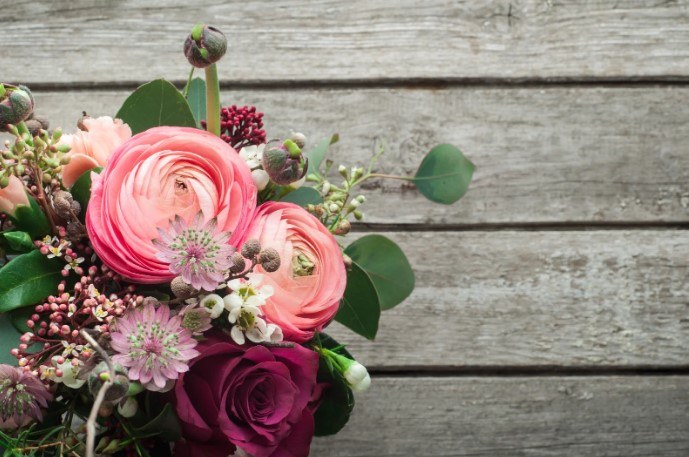
Unlike traditional weddings that may follow set floral rules, LGBTQ+ weddings often embrace creativity. Couples might blend popular wedding blooms like roses and peonies with less-expected flowers such as protea, lisianthus, or wildflowers, creating arrangements that mirror their unique partnership.
Many couples design their florals to reflect not only who they are individually, but also who they are together. For instance, two grooms might choose striking, architectural arrangements, while two brides may prefer classic romance or bohemian touches. Some include flowers from their childhood gardens or blooms with familial or cultural significance.
Symbolism and Pride: Beyond the Rainbow
The rainbow is an iconic symbol in LGBTQ+ culture, and incorporating it into wedding flowers is both joyful and empowering. A lush, multicolored bouquet or an arch bursting with every hue can make a bold statement of visibility and celebration. Yet, symbolism doesn’t stop at the rainbow. Many LGBTQ+ couples choose flowers that reflect their identity beyond just color:
- Using violets to honor lesbian history and Sapphic love.
- Incorporating green carnations, once a quiet emblem of gay men.
- Choosing calla lilies, symbols of purity and rebirth, to highlight new beginnings together.
- Blending native or wild blooms to ground the ceremony in a sense of place and belonging.
These choices pay homage not only to cultural history, but also to the ongoing story of equality and pride.
Creative Floral Moments in Queer Weddings
Flowers aren’t confined to bouquets and boutonnieres. LGBTQ+ couples are pushing the boundaries of wedding floristry:
- Floral crowns for both brides and grooms, or for the entire wedding party.
- Flower lapel pins and pocket gardens replacing traditional boutonnieres.
- Stunning aisle installations that evoke lush, dreamlike landscapes.
- Hanging floral chandeliers or canopies over the ceremony and reception spaces.
- Statement floral wrist corsages for nonbinary or gender-nonconforming guests, honoring them with something as vibrant as they are.
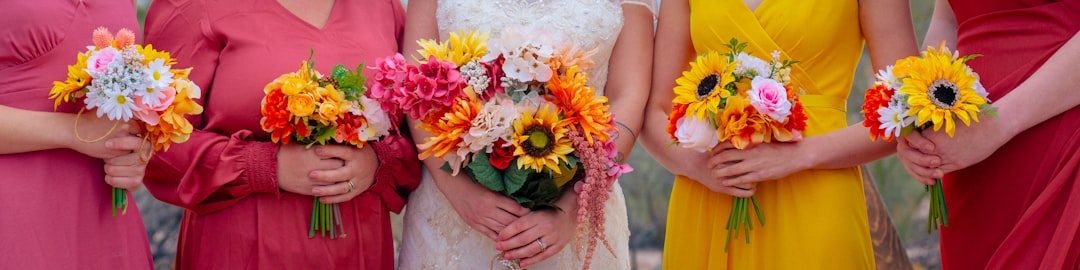
By reimagining where and how flowers appear, couples can create a celebration that resonates with their identities and values.
Honoring Loved Ones and Community
A meaningful wedding often honors the journey that brought two people together and the loved ones who supported them. Flowers play a gentle role in tribute and remembrance. Couples might reserve a special seat with a single stem for a supportive grandparent, or use a family member’s favorite flower throughout the arrangements. Some integrate florals from important places, such as home gardens or vacation spots, weaving memories into the day.
Ceremonies sometimes include a “flower ceremony,” where guests are invited to add a bloom to a communal arrangement as a symbol of their support. This turning of tradition outward reflects the importance of community and chosen family in LGBTQ+ lives.
Tips for Planning Wedding Flowers as an LGBTQ+ Couple
Approaching a florist who shares your values and celebrates diversity can make the planning process smoother and more joyful. Consider asking these questions while searching for the right floral partner:
- Are you experienced in LGBTQ+ events or open to creative, nontraditional requests?
- Can you help us include meaningful elements–like pride colors or symbolic blooms?
- Are you comfortable designing gender-neutral arrangements or attire-based florals?
Trust and open communication let couples dream big and craft floral designs that feel right.
Making Every Petal Count
Flowers are more than wedding decor–they are declarations of love, resilience, and authenticity. In LGBTQ+ weddings, florals become symbols of history, markers of personal triumph, and bridges between the couple and their community. Every bloom, from the wildest sunflower to the most delicate violet, has a place in telling a story that is as unique as the love it celebrates. On this day and every day, choosing flowers that feel true transforms a simple gathering into a moment of pride–one petal at a time.