What Flowers to Give on Sweetest Day (And Why It Matters More Than You Think)
5 min read
Contents:
- What Is Sweetest Day, Anyway?
- Best Sweetest Day Flowers by Relationship Type
- For a Romantic Partner: Beyond the Red Rose
- For a Friend or Coworker: Cheerful and Low-Pressure
- For a Parent or Grandparent: Timeless and Fragrant
- Sweetest Day Flowers That Are Also Eco-Friendly
- Practical Tips for Buying and Giving
- October Flower Availability: A Quick Seasonal Reference
- Frequently Asked Questions
- What are the most popular sweetest day flowers?
- How much should I spend on Sweetest Day flowers?
- Are Sweetest Day flowers only for romantic partners?
- What flowers are in season for Sweetest Day in October?
- Can I order Sweetest Day flowers online for same-day delivery?
- Make Your Sweetest Day Gift Count This October
Most people assume sweetest day flowers have to be red roses — full stop. That’s the go-to, the default, the “safe” choice. But here’s the thing: Sweetest Day isn’t Valentine’s Day, and the flowers you choose can say so much more when you actually match the bloom to the person. Let’s set the record straight on what really works, what’s in season, and how to make your gift genuinely memorable.
What Is Sweetest Day, Anyway?
Sweetest Day falls on the third Saturday of October — in 2026, that’s October 19th. It started in Cleveland, Ohio in 1921, when candy distributor Herbert Birch Kingston began distributing sweets to orphans and shut-ins. Over the decades it grew into a broader celebration of kindness and affection, particularly popular in the Midwest and Great Lakes region.
Unlike Valentine’s Day, Sweetest Day isn’t exclusively romantic. People give flowers to partners, yes — but also to friends, parents, coworkers, and neighbors. That wider audience is exactly why your flower choice deserves a little more thought than grabbing whatever’s at the grocery store checkout.
Best Sweetest Day Flowers by Relationship Type
For a Romantic Partner: Beyond the Red Rose
Red roses are never wrong, but October gives you options that are actually more visually striking. Garden roses in deep burgundy or coral tones are at their seasonal peak and photograph beautifully. A dozen mixed-color garden roses typically runs $45–$75 at a local florist — slightly more than standard long-stem roses but worth it for the texture and fragrance.
Dahlias are another October standout. They peak in USDA hardiness zones 8–11 through mid-October and are available nationwide through florists a bit longer. Café au lait dahlias — a creamy, blush-toned variety — have become enormously popular for their sophisticated, romantic look without screaming “Valentine’s Day.”
For a Friend or Coworker: Cheerful and Low-Pressure
Sunflowers send a warm, platonic message that nobody misreads. They’re also one of the most affordable options: a bouquet of 10 stems typically costs $15–$25. Pair them with orange or yellow chrysanthemums — both in peak fall season — for a cohesive autumnal arrangement that feels intentional rather than last-minute.
Zinnias and marigolds also work beautifully here. Marigolds in particular carry a cheerful, golden energy and are widely available at farm stands and florists through late October across most of the US.
For a Parent or Grandparent: Timeless and Fragrant
Carnations get unfairly dismissed, but they last 2–3 weeks in a vase — longer than almost any other cut flower — and carry genuine sentiment. A mixed arrangement with spray roses and alstroemeria in warm autumn tones makes a thoughtful, long-lasting gift. Budget around $30–$50 for a mid-size arrangement.
Lisianthus is another excellent choice for older recipients. It resembles a ruffled rose, comes in purple, white, and pink, and has a gentle elegance that tends to land well across generations.
Sweetest Day Flowers That Are Also Eco-Friendly
October is a great time to go local and sustainable. Most of the US is still within the outdoor growing window for fall blooms, meaning you can often find American-grown flowers at farmers markets or through local florists who source regionally. Imported flowers — particularly roses flown in from South America — carry a significant carbon footprint, with air freight accounting for a large share of cut flower emissions.
Ask your florist specifically: “Do you carry any locally or domestically grown stems?” Many will have at least a few options. The Slow Flowers movement maintains a directory at slowflowers.com where you can find farmers and florists committed to domestic sourcing. Seasonal picks like dahlias, marigolds, celosias, and amaranth are almost always grown closer to home in October — and they tend to last longer in the vase because they haven’t spent days in transit.
Practical Tips for Buying and Giving
- Order by Wednesday for Saturday delivery. Most florists need 48–72 hours for custom arrangements around popular gift holidays.
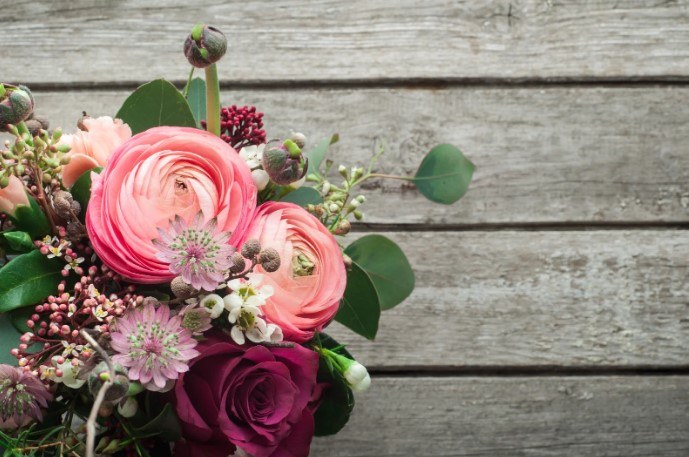
- Mix textures, not just colors. A bouquet with one focal flower (like a dahlia), one filler (like waxflower), and one greenery stem (like eucalyptus) looks professional and intentional.
- Add a note with care instructions. Cut flowers last longer when stems are trimmed at a 45-degree angle and water is changed every two days. A short handwritten card with this tip shows extra thoughtfulness.
- Potted plants are an underrated alternative. A small potted chrysanthemum ($12–$20 at most garden centers in October) lasts weeks longer than cut flowers and can be planted outdoors in zones 5–9.
- Skip the supermarket if you can. Local florists typically offer fresher product, better variety, and the ability to customize. You’ll also get honest advice about what’s actually in season.
October Flower Availability: A Quick Seasonal Reference
Knowing what’s in season helps you get better quality at lower prices. Here’s what’s broadly available from US growers in October:
- Peak season (best quality, best price): Dahlias, marigolds, celosia, zinnias, sunflowers, chrysanthemums, amaranth
- Available but transitioning: Garden roses, lisianthus, cosmos
- Available year-round via imports: Standard roses, carnations, alstroemeria, lilies
If you’re buying from a local farm stand or community-supported agriculture (CSA) flower share, expect the peak-season list to dominate what’s available — and that’s actually ideal for a mid-October holiday.
Frequently Asked Questions
What are the most popular sweetest day flowers?
Roses, dahlias, sunflowers, and chrysanthemums are the most popular choices. Roses work for romantic gifts; dahlias and sunflowers are seasonal, visually striking alternatives; chrysanthemums are affordable and long-lasting.
How much should I spend on Sweetest Day flowers?
A standard bouquet from a local florist typically costs $35–$65. Simple single-flower arrangements or farmers market bundles can run $15–$25. Custom or premium arrangements with seasonal blooms like dahlias may reach $75–$100.
Are Sweetest Day flowers only for romantic partners?
No. Sweetest Day celebrates all forms of kindness and affection. Flowers are commonly given to friends, family members, coworkers, and neighbors — not just romantic partners.
What flowers are in season for Sweetest Day in October?
Dahlias, marigolds, chrysanthemums, celosia, sunflowers, and zinnias are all in peak season across most of the US in October. These offer the best freshness and value at local florists and farm stands.
Can I order Sweetest Day flowers online for same-day delivery?
Yes — services like 1-800-Flowers, Teleflora, and FTD offer same-day delivery in most US metro areas. For the best quality and customization, ordering from a local florist 2–3 days in advance is recommended.
Make Your Sweetest Day Gift Count This October
The third Saturday of October comes around once a year, and a thoughtful flower choice takes maybe five extra minutes of planning. Pick something seasonal, consider going local for a greener footprint, and match the bloom to the person — not just to the occasion. Your local florist is genuinely your best resource here: walk in, describe who you’re buying for, and let them guide you. That’s what they’re there for.