Best Flowers for a Sympathy Arrangement
6 min read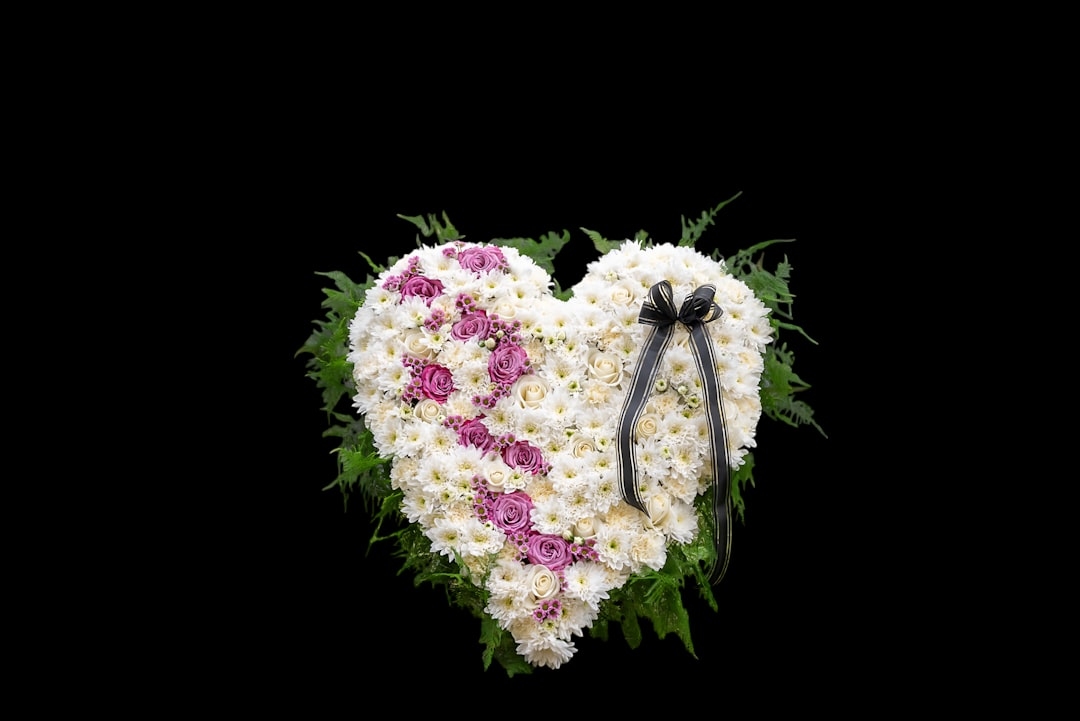
Contents:
- Why Flower Choice Matters in Sympathy Arrangements
- Top Sympathy Arrangement Flowers and What They Represent
- White Lilies — The Classic Choice
- White Roses — Quiet Dignity
- Chrysanthemums — A Respectful Staple
- Carnations — Underrated and Long-Lasting
- Gladioli — Strength and Moral Integrity
- Sympathy Flowers vs. Funeral Flowers — Know the Difference
- Colors That Communicate Care
- Common Mistakes to Avoid
- Practical Tips for Ordering Sympathy Arrangement Flowers
- Frequently Asked Questions About Sympathy Arrangement Flowers
- What are the most appropriate flowers for a sympathy arrangement?
- Is it okay to send colorful flowers as a sympathy gift?
- How much should I spend on sympathy flowers?
- When should sympathy flowers be sent?
- What flowers should be avoided in a sympathy arrangement?
What do you say when words aren’t enough? Sometimes, a carefully chosen arrangement of flowers says it better than any card or phone call. But with so many options at the florist, it’s easy to feel overwhelmed — especially when you want to get it right. Choosing the right sympathy arrangement flowers isn’t just about aesthetics. It’s about sending a message of care, respect, and comfort to someone who needs it most.
Why Flower Choice Matters in Sympathy Arrangements
Flowers have carried symbolic meaning in mourning rituals for thousands of years. Ancient Egyptians placed flowers in burial tombs, and Victorian-era mourners had elaborate floral codes for expressing grief and condolence. Today, while the formality has softened, the emotional weight of a sympathy bouquet remains real.
The flowers you choose signal how well you understood the person who passed — and how much you care for those left behind. A generic grocery store bouquet can feel impersonal. The right selection, thoughtfully put together, can genuinely comfort a grieving family.
Top Sympathy Arrangement Flowers and What They Represent
White Lilies — The Classic Choice
White lilies, particularly Lilium candidum (the Madonna lily) and Stargazer lilies, are the most recognized flowers for funeral and sympathy arrangements in the United States. They symbolize the restored innocence of the soul and the peace of the afterlife. A single stem of white Casablanca lilies can anchor an entire arrangement and costs roughly $3–$6 per stem at most florists.
One thing to keep in mind: lilies produce bright orange pollen that stains fabric and can be toxic to cats. If the recipient has pets, ask your florist for pollen-free or stamper-removed stems, or substitute with lisianthus for a similar look.
White Roses — Quiet Dignity
White roses represent reverence, humility, and new beginnings — making them a fitting tribute for nearly any loss. They work beautifully in both standing sprays for the funeral home and smaller bouquets sent to a grieving household. Expect to pay $1.50–$4 per stem depending on grade and season.
Chrysanthemums — A Respectful Staple
In the US, white or cream chrysanthemums are a funeral staple, particularly for standing arrangements and casket sprays. They last exceptionally well — up to 3 weeks with proper care — which matters when an arrangement needs to hold up through a multi-day service. Avoid bright-colored mums, which skew festive rather than solemn.
Carnations — Underrated and Long-Lasting
Carnations get dismissed as a budget flower, but they carry genuine symbolic weight in sympathy settings. White carnations represent pure love and innocence; pink ones express gratitude. They’re also one of the longest-lasting cut flowers available, staying fresh for up to 3 weeks. A lush all-white carnation arrangement can be more impactful — and more affordable — than a sparse arrangement of premium blooms.
Gladioli — Strength and Moral Integrity
Tall gladiolus stems are a natural fit for standing sprays and large memorial arrangements. They symbolize strength of character and sincerity, and their vertical form creates dramatic, respectful displays. Budget around $1–$3 per stem; a full spray typically uses 15–25 stems.
Sympathy Flowers vs. Funeral Flowers — Know the Difference
These two terms are often used interchangeably, but they serve different purposes. Funeral flowers are displayed at the service — casket sprays, standing wreaths, altar arrangements. They’re larger, formal, and often ordered through the funeral home’s preferred florist.
Sympathy flowers, on the other hand, are sent to the family’s home or workplace before or after the service as a gesture of condolence. These should be smaller, manageable, and come with a vase, since a grieving family won’t want to hunt for a container. Think bouquets of 12–18 stems rather than a 3-foot standing spray.
Sending a 36-inch funeral wreath to someone’s house is one of the most common — and awkward — sympathy flower mistakes people make.
Colors That Communicate Care
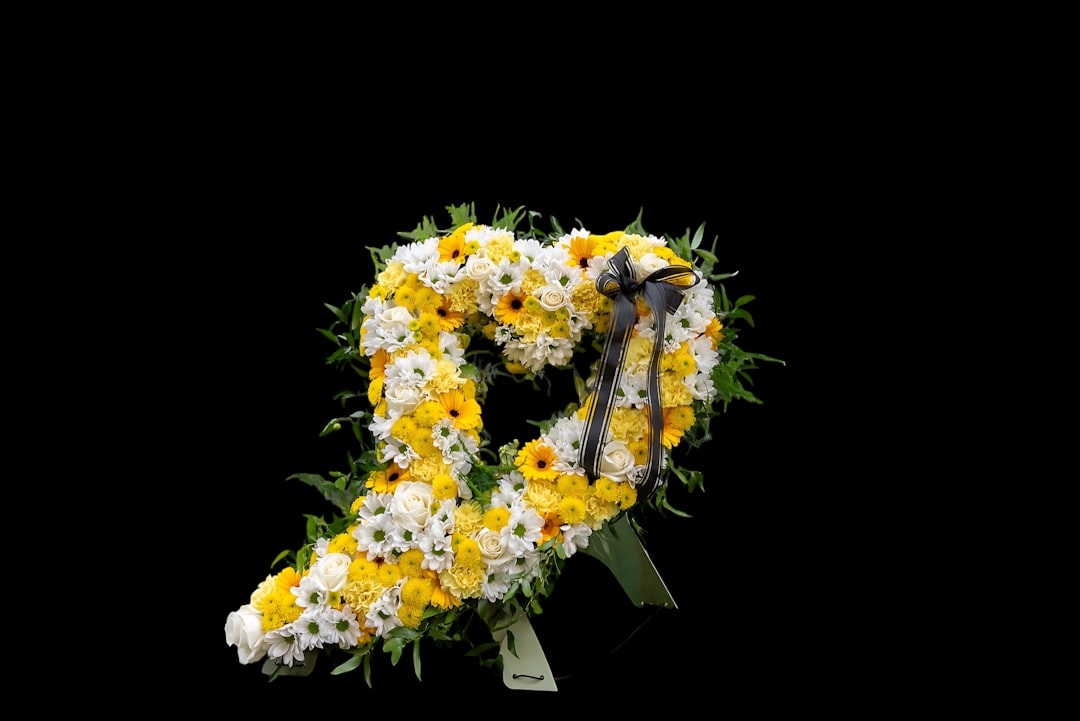
White is the traditional choice and remains the safest. Soft pastels — blush pink, lavender, pale yellow — communicate warmth and are appropriate for most losses. Lavender specifically signals devotion and is a beautiful choice when the deceased was elderly. Avoid bold reds (romantic connotation) and bright oranges or purples, which can feel celebratory in the wrong context.
For a child’s loss, soft pink and white with accents of baby’s breath or small daisies express tenderness without being somber to the point of severity.
Common Mistakes to Avoid
- Sending flowers too late. Aim to have sympathy flowers arrive within 3–5 days of learning of the loss. After two weeks, the gesture loses some of its immediacy, though it’s never truly too late.
- Choosing strongly scented flowers. Gardenias, tuberose, and some oriental lilies have heavy fragrances that can overwhelm a home — especially if the grieving person is dealing with stress-related headaches or nausea.
- Ignoring cultural norms. In many Asian cultures, white flowers are appropriate for mourning, but in others, specific colors carry different meanings. When in doubt, call a local florist who specializes in cultural arrangements.
- Forgetting a card. An arrangement without a note can leave the family unsure who sent it — particularly when many bouquets arrive at once. Even three simple sentences matter.
- Ordering online without checking delivery windows. Many online flower services require 2–3 business days for delivery. If the service is tomorrow, call a local florist directly.
Practical Tips for Ordering Sympathy Arrangement Flowers
Call a local florist rather than defaulting to a big-box delivery service if timing is tight. Local florists can often turn around same-day arrangements and will understand regional preferences better. Budget $60–$150 for a meaningful home arrangement; funeral sprays run $150–$400 depending on size.
If you’re unsure what to order, tell the florist: your relationship to the deceased, the approximate age of the person who passed, and whether the arrangement is for the home or the service. A skilled florist can do the rest.
Consider adding a plant — a peace lily or an orchid — instead of or alongside cut flowers. These last for months, giving the family something living to tend during a difficult season.
Frequently Asked Questions About Sympathy Arrangement Flowers
What are the most appropriate flowers for a sympathy arrangement?
White lilies, white roses, chrysanthemums, and carnations are the most traditional and widely accepted choices. These flowers symbolize peace, purity, and respect and are appropriate across most cultural and religious backgrounds in the United States.
Is it okay to send colorful flowers as a sympathy gift?
Soft pastels — blush pink, lavender, and pale yellow — are appropriate and can feel warmer than all-white arrangements. Avoid bold reds, bright oranges, and heavily saturated colors, which can read as celebratory rather than comforting.
How much should I spend on sympathy flowers?
A thoughtful home sympathy bouquet typically costs $50–$100. Funeral sprays and standing wreaths for the service run $150–$400. If budget is a concern, a well-arranged $50 bouquet from a local florist carries more meaning than an impersonal $100 online order.
When should sympathy flowers be sent?
Ideally within 3–5 days of learning about the loss. If sending to the funeral home, confirm the service date and delivery window directly with the florist. For home delivery, any time within the first two weeks is appropriate.
What flowers should be avoided in a sympathy arrangement?
Avoid strongly scented flowers like tuberose and gardenia if sending to the home. Skip bright, festive colors and flowers with romantic associations like red roses. Also avoid sunflowers unless you know the family specifically loved them, as they can feel more celebratory than comforting in a sympathy context.
The next time you’re standing in a florist shop or scrolling through an online order form, you now have a clear framework for choosing well. Ask about fragrance levels, confirm delivery timing, and add a handwritten note — even a brief one. A thoughtful sympathy arrangement chosen with intention will be remembered long after the blooms have faded. If you’re working with a local florist, don’t hesitate to share the relationship and context. The best arrangements are always the ones made with the recipient’s grief — and their loved one’s life — genuinely in mind.