What Flowers to Give a Friend Who Just Had Surgery
6 min read
Contents:
- Why Flowers Matter During Recovery
- Best Surgery Recovery Flowers to Give
- Roses — The Reliable Classic
- Orchids — Long-Lasting and Low-Maintenance
- Gerbera Daisies — Mood-Boosting Color
- Sunflowers — Uplifting and Sturdy
- Hydrangeas — Full and Lush
- Flowers to Avoid After Surgery
- Surgery Recovery Flowers vs. Get Well Plants: Which Is Better?
- Practical Tips for Ordering Surgery Recovery Flowers
- FAQ: Surgery Recovery Flowers
- What are the best flowers to send someone recovering from surgery?
- Can you send flowers to a hospital after surgery?
- How long do hospital flowers last?
- Are potted plants better than cut flowers for recovery?
- What color flowers are best for someone recovering from surgery?
- Making Your Choice Count
Surgery recovery flowers aren’t just a thoughtful gesture — research published in the journal HortScience found that patients in rooms with flowering plants reported significantly lower pain ratings and required fewer analgesic medications than those in plantless rooms. That’s not sentiment. That’s measurable physiological response. Choosing the right bouquet, then, deserves more than a quick gas station grab.
Why Flowers Matter During Recovery
The science behind floral gifting in medical contexts is called horticultural therapy, and it’s a recognized clinical discipline. Beyond aesthetics, exposure to flowering plants has been linked to reduced anxiety, lower systolic blood pressure, and faster perceived recovery times. A landmark study by Dr. Roger Ulrich at Texas A&M University demonstrated that patients with nature views — including plants — needed fewer post-operative pain medications.
For your friend recovering at home or in a hospital room, a thoughtfully chosen arrangement can serve a real function. But not every flower is appropriate. Fragrance intensity, pollen levels, and even vase water bacteria all matter when someone’s immune system is under stress.
Best Surgery Recovery Flowers to Give
Roses — The Reliable Classic
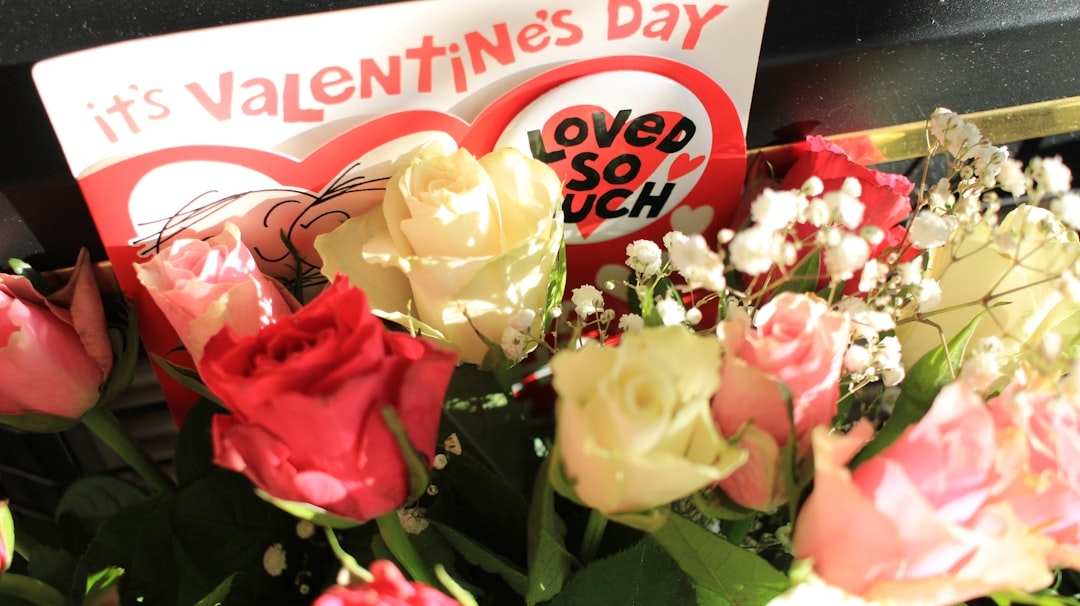
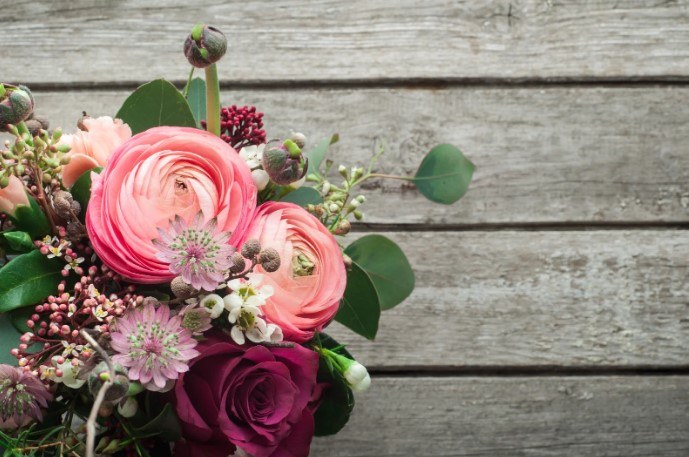
Garden roses (Rosa spp.) remain one of the safest choices for post-surgery gifting. Modern florist-grade roses are bred for low pollen production, making them unlikely to trigger allergic responses. Choose spray roses or single-stem varieties in soft pinks and yellows — colors shown in chromotherapy research to evoke calm and optimism. Expect to spend $35–$65 for a quality arranged bouquet from a local florist.
Orchids — Long-Lasting and Low-Maintenance
Phalaenopsis orchids, commonly called moth orchids, bloom for 8 to 12 weeks with minimal care — a major advantage when your friend is physically limited. They produce virtually no airborne pollen, making them one of the most allergy-safe options available. A potted orchid in a decorative cache pot typically runs $25–$50 and doubles as a lasting recovery companion long after cut flowers have wilted.
Gerbera Daisies — Mood-Boosting Color
Gerbera daisies (Gerbera jamesonii) rank among the top air-purifying plants according to NASA’s Clean Air Study, which measured their capacity to filter benzene and trichloroethylene from indoor air. Bright, cheerful, and virtually scentless, they’re ideal for hospital rooms where strong fragrances are restricted. A mixed gerbera arrangement costs approximately $20–$40 and holds up well in a vase for 7 to 10 days.
Sunflowers — Uplifting and Sturdy
Helianthus annuus carries symbolic weight — facing toward light, associated with warmth and resilience — that translates meaningfully to a recovery context. Standard florist sunflowers have minimal fragrance and sturdy stems that last 10 to 12 days in fresh water. They’re particularly effective in mixed arrangements with eucalyptus or white button mums for a clean, modern look. Budget $30–$50 for a mid-sized bouquet.
Hydrangeas — Full and Lush
Few flowers offer the visual volume of hydrangeas (Hydrangea macrophylla). A single stem produces a dense, cloud-like bloom that fills visual space without requiring elaborate arrangement. They’re low-fragrance and available in soft blues, lavenders, and whites — all associated with calm in environmental psychology research. Seasonal availability peaks from May through September in most US regions.
Flowers to Avoid After Surgery
This is where many well-meaning gifters go wrong. Several popular flowers are genuinely problematic in a recovery setting:
- Lilies (Lilium spp.): Heavily fragrant and toxic to cats — a concern if your friend has pets. The pollen also stains fabric and can trigger respiratory irritation.
- Carnations: While long-lasting, many hospital policies specifically restrict carnations due to their tendency to harbor mold in vase water.
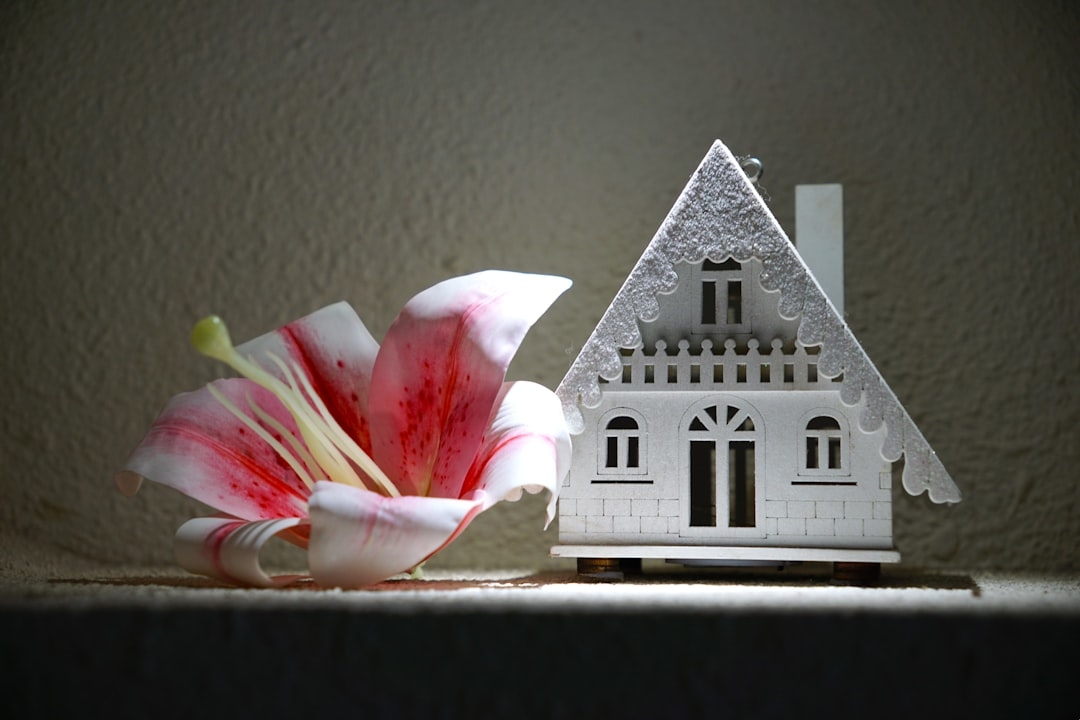
- Stargazer lilies: Among the most intensely fragrant flowers available. In an enclosed recovery room, the scent can cause nausea — particularly problematic during post-anesthesia recovery.
- Flowers with visible pollen: Any arrangement with exposed stamens poses an allergy risk. Ask your florist to remove anthers before wrapping.
Surgery Recovery Flowers vs. Get Well Plants: Which Is Better?
A common point of confusion: should you send cut flowers or a living potted plant? Both are valid, but they serve different recovery phases. Cut flower arrangements deliver immediate visual impact and emotional warmth during the first week post-surgery — exactly when morale is lowest. Potted plants, by contrast, require light management and occasional watering, which may frustrate someone with limited mobility.

The practical recommendation: send cut flowers for the first two weeks of recovery, then follow up with a low-maintenance potted plant — a succulent, pothos, or Phalaenopsis orchid — once your friend is more mobile. This two-gift approach spaces out the support over the recovery arc rather than concentrating it in day one.
🌿 What the Pros Know
Professional hospital florists always request the patient’s room number and floor before designing an arrangement. Many oncology and ICU wards have strict no-flower or no-fragrance policies. Call the hospital’s nursing station directly — not the gift shop — to confirm policies before ordering. For home deliveries, opt for arrangements in sealed vases rather than loose-packed boxes; water exposure during transit dramatically shortens vase life.
Practical Tips for Ordering Surgery Recovery Flowers
- Confirm delivery policies first. Around 30% of US hospitals restrict fresh flowers in ICUs, post-surgical wards, and immunocompromised patient units. Always verify before ordering.
- Choose low-fragrance by default. Unless you know your friend has no scent sensitivities, opt for arrangements labeled “lightly scented” or request fragrance-free substitutions from your florist.
- Include care instructions. Recovering patients may not remember to change vase water every 2 days. A small card with basic care tips extends arrangement life and reduces the risk of bacterial bloom in standing water.
- Time the delivery thoughtfully. Flowers sent on day two or three post-surgery often land harder emotionally than same-day delivery, when the room is already crowded with visitors and gifts.
- Budget for quality. Mass-market supermarket bouquets are often harvested too early and treated with ethylene-inhibiting chemicals that affect scent and longevity. A $50 arrangement from a licensed local florist will typically outlast a $20 grocery bouquet by 4 to 6 days.
FAQ: Surgery Recovery Flowers
What are the best flowers to send someone recovering from surgery?
The best surgery recovery flowers are low-fragrance, low-pollen options like Phalaenopsis orchids, gerbera daisies, roses, and sunflowers. These minimize allergy and respiratory risks while providing emotional uplift. Avoid strongly scented flowers like stargazer lilies, especially during the first post-operative week.
Can you send flowers to a hospital after surgery?
It depends on the ward. Many ICUs, oncology units, and post-surgical floors prohibit fresh flowers due to infection control and allergy policies. Always call the nursing station on the patient’s floor before placing an order. Home deliveries following discharge have no such restrictions.
How long do hospital flowers last?
Cut flowers in a hospital environment typically last 5 to 10 days, depending on species and room temperature. Hospital rooms are often warmer than typical homes (around 72–75°F), which accelerates wilting. Hardy choices like roses, gerbera daisies, and chrysanthemums hold up best in these conditions.
Are potted plants better than cut flowers for recovery?
Potted plants last longer and require no water changes, but they demand light and occasional care — a challenge for someone with limited mobility early in recovery. Cut flowers are better for the first two weeks; transition to a low-maintenance potted plant like a succulent or orchid once your friend is more mobile.
What color flowers are best for someone recovering from surgery?
Research in environmental psychology suggests that soft yellows and warm pinks evoke optimism and calm, making them ideal for recovery settings. Avoid stark whites alone, which can feel clinical. Blues and lavenders, particularly in hydrangeas, are associated with reduced anxiety and work well for longer hospital stays.
Making Your Choice Count
Your friend’s recovery window is finite, and the right surgery recovery flowers can genuinely influence how they experience it — not as a platitude, but as a measurable environmental factor. Start with a low-pollen, low-fragrance arrangement in warm or soft tones, verify hospital delivery policies before ordering, and consider timing a second plant-based gift for the two-week mark when the initial wave of support has often faded. That second gesture, timed thoughtfully, frequently means more than the first.