Flowers to Send Someone Going Through Chemo: A Compassionate Guide
6 min read
Contents:
- Why Flowers Matter During Chemotherapy
- Best Chemo Patient Flowers to Send
- Roses (Pollen-Free Varieties)
- Orchids
- Alstroemeria
- Sunflowers
- Gerbera Daisies
- Regional Considerations When Ordering
- What to Avoid: Common Mistakes When Sending Flowers to Chemo Patients
- Practical Tips for Sending Flowers to Someone in Treatment
- Frequently Asked Questions About Chemo Patient Flowers
- What flowers are safe for chemo patients?
- Can you send flowers to someone in a hospital during chemo?
- Are there flowers that can make chemo patients feel sick?
- What color flowers are best for someone going through chemo?
- When is the best time to send flowers to a chemo patient?
- Making Your Gesture Count
Studies show that flowers reduce anxiety and depression in hospital patients by up to 40% — and for someone navigating chemotherapy, that emotional lift can feel like everything. Choosing the right chemo patient flowers isn’t just a kind gesture. It’s a tangible way to say: I see you, I’m with you, and I’m not going anywhere.
But not all flowers are created equal when it comes to supporting someone in treatment. Fragrance, pollen, water-borne bacteria, and even the emotional weight of certain colors all matter more than you’d think. This guide walks you through exactly what to send — and what to skip.
Why Flowers Matter During Chemotherapy
Chemotherapy is physically and emotionally exhausting. Patients often spend hours in infusion centers, deal with nausea and fatigue at home, and can feel isolated from normal life. A thoughtfully chosen arrangement does more than brighten a room. Research published in the journal HortScience found that patients in rooms with flowers reported lower pain perception and less anxiety compared to those without plants or flowers nearby.
That said, a chemo patient’s immune system is typically compromised — sometimes severely. That changes everything about which flowers are appropriate and how they should be delivered.
Best Chemo Patient Flowers to Send
When selecting flowers for someone in treatment, prioritize low-pollen, low-fragrance blooms that won’t trigger nausea or respiratory issues. Here are the top picks florists recommend:
Roses (Pollen-Free Varieties)
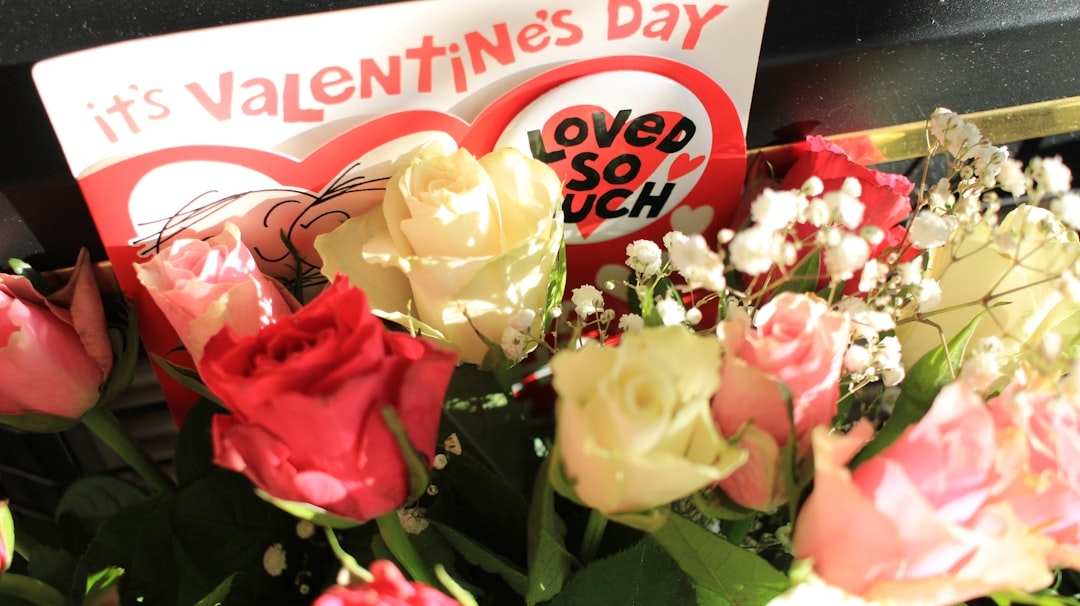
Modern hybrid roses, particularly those sold through commercial florists, are bred to be nearly pollen-free. A dozen soft peach or blush roses in a tight arrangement signals warmth without overwhelming the senses. Avoid deeply fragrant heirloom varieties like Damask or Bourbon roses — their scent can trigger nausea in someone mid-cycle.
Orchids
Orchids are one of the most recommended flowers for chemo patients. They’re virtually scentless, long-lasting (a Phalaenopsis orchid can bloom for 8–12 weeks), and their elegant simplicity doesn’t feel overwrought. A potted orchid also outlasts a cut arrangement, giving the patient something living to tend to when they feel up to it.
Alstroemeria
Often called Peruvian lilies, alstroemeria are cheerful, sturdy, and carry almost no fragrance. They come in sunrise yellows, soft corals, and lavender tones that feel uplifting without being loud. At $20–$40 for a full bouquet, they’re also one of the more budget-friendly options.
Sunflowers
Sunflowers carry an almost universal association with optimism. They’re bold, pollen-light when you choose commercial varieties, and visually energizing. Request that your florist remove the pollen-bearing anthers if the patient is highly immunocompromised.
Gerbera Daisies
Bright and cheerful without a trace of fragrance, gerberas are a florist staple for exactly this reason. They come in every color of the spectrum and hold up well in a vase for 7–10 days with clean water changes.
Regional Considerations When Ordering
Where you’re ordering from — and where the flowers are going — can affect what’s available and appropriate. In the Northeast, local flower markets carry more seasonal, textural arrangements in cooler months, like ranunculus and hellebores, which tend to be low-pollen and gently fragrant. Southern florists often have year-round access to tropical blooms like anthuriums and bird of paradise — both excellent low-allergen choices. On the West Coast, particularly in California, farm-direct deliveries mean you can often request specific cultivars, giving you more control over fragrance levels. If you’re sending flowers across the country, always call ahead and confirm the arrangement with the receiving florist rather than relying solely on an online template.
What to Avoid: Common Mistakes When Sending Flowers to Chemo Patients
- Heavily fragrant flowers. Lilies (especially Stargazers), gardenias, and hyacinths can trigger nausea in someone already dealing with chemo-related queasiness. Skip them entirely.
- High-pollen arrangements. Open lilies and sunflowers with intact anthers release pollen that can irritate the respiratory system and even introduce mold spores — a real risk for immunocompromised patients.
- Flowers with standing water if visiting a hospital. Many oncology units prohibit fresh-cut flowers in patient rooms due to bacteria that can grow in vase water. Always check the hospital’s policy before sending. Potted plants are sometimes allowed; cut flowers often are not.
- Overly funeral-looking arrangements. All-white arrangements with lilies and greenery can carry an unintended emotional weight. Choose color — warm peaches, soft yellows, gentle lavenders — to signal life and energy.
- Assuming bigger is better. An enormous arrangement can feel like a spotlight the patient didn’t ask for. A smaller, refined bouquet with a handwritten note often lands more meaningfully.
Practical Tips for Sending Flowers to Someone in Treatment
Timing your delivery thoughtfully makes a real difference. Chemo patients often feel their worst 2–5 days after an infusion. Sending flowers to arrive on day 6 or 7 — when energy is starting to return — gives them something beautiful to wake up to during the rebound.
For home deliveries, include a card with specific vase instructions: fill with fresh, cool water, change it every 2 days, and keep the arrangement away from direct sunlight and heating vents. This extends vase life significantly — from 5 days to potentially 10 or more.
If you’re unsure whether the patient is at home or in an inpatient facility, send a potted orchid or succulent arrangement. Both are hospital-safe, long-lasting, and require minimal care.
Budget-wise, $50–$80 buys a generous, meaningful arrangement from most quality florists. You don’t need to spend more to make an impact — you need to spend thoughtfully.
Frequently Asked Questions About Chemo Patient Flowers
What flowers are safe for chemo patients?
The safest chemo patient flowers are low-pollen, low-fragrance varieties including orchids, alstroemeria, gerbera daisies, pollen-free roses, and sunflowers with removed anthers. Avoid lilies, gardenias, and any heavily scented bloom.
Can you send flowers to someone in a hospital during chemo?
Many oncology and infusion units restrict or prohibit fresh-cut flowers due to bacteria risk in vase water. Always call the hospital directly before sending. Potted plants like orchids or succulents are more often permitted.
Are there flowers that can make chemo patients feel sick?
Yes. Strong scents from Stargazer lilies, gardenias, freesia, and hyacinths can trigger or worsen nausea in chemotherapy patients. High-pollen flowers can also aggravate respiratory sensitivity in immunocompromised individuals.
What color flowers are best for someone going through chemo?
Warm, uplifting colors — soft yellows, peachy corals, gentle lavenders, and blush pinks — tend to feel energizing and supportive. Avoid all-white arrangements, which can feel somber, and overly vibrant red-only bouquets, which some find emotionally intense.
When is the best time to send flowers to a chemo patient?
Aim to send flowers 5–7 days after a known infusion date, when the patient is emerging from the hardest stretch. Alternatively, send them between cycles as a between-round boost of support.
Making Your Gesture Count
Sending the right chemo patient flowers is one of the most personal ways to show up for someone during treatment. It’s not about the grandest arrangement — it’s about the most considerate one. Choose blooms that respect their body, reflect their personality, and arrive at a moment when they need a reminder that the people who love them are paying attention.
Ready to order? Call a local florist directly, explain the situation, and ask for their recommendation for a fragrance-free, low-pollen arrangement. A great florist will help you get it exactly right.