What Flowers to Give a Teacher on the Last Day of School
7 min read
Contents:
- Why Flowers Make Such a Powerful End-of-Year Gift
- The Best Teacher Appreciation Flowers by Personality and Subject
- Sunflowers: The Universal Crowd-Pleaser
- Tulips: Clean, Cheerful, and Seasonal
- Peonies: Luxurious and Memorable
- Potted Herbs or Succulents: Gifts That Keep Growing
- A Story That Gets It Right
- Flowers vs. Potted Plants: Which Should You Choose?
- Practical Tips for Buying and Presenting the Gift
- Where to Buy
- Presentation Details That Elevate a Simple Bouquet
- Timing Matters
- What to Avoid Giving
- Budget Guide: What to Spend
- FAQ: Teacher Appreciation Flowers
- What is the best flower to give a teacher?
- Is it appropriate to give flowers to a teacher?
- How much should I spend on teacher appreciation flowers?
- Should I give a potted plant or cut flowers to a teacher?
- What flowers should I avoid giving a teacher?
- Make This Year’s Gift the One They Remember
Teachers remember flowers. Not the grade on a rubric, not the end-of-year card that gets shuffled into a drawer — the flowers. There’s something about walking out of a classroom on the last day holding a bouquet that stays with a person for years. Choosing the right teacher appreciation flowers isn’t just a kind gesture; it’s one of the most personal ways to say “you mattered this year.”
This guide covers exactly what to buy, what to avoid, how much to spend, and how to make the gift feel genuinely thoughtful rather than last-minute.
Why Flowers Make Such a Powerful End-of-Year Gift
Flowers communicate something that a gift card simply can’t. They’re perishable, which makes them feel urgent and sincere — you’re giving something alive, not transactional. Studies from Rutgers University found that receiving flowers triggers immediate positive emotions and long-term mood improvement in virtually all recipients. That’s a strong case for a $15 bunch of tulips.
Teachers also spend a significant portion of their own money on classroom supplies — an average of $479 per year according to the National Education Association. A thoughtful floral gift signals that you see them as a whole person, not just a classroom function. That recognition carries real weight.
The Best Teacher Appreciation Flowers by Personality and Subject
Not every teacher has the same style, and the best flower choice often depends on who you’re giving it to. Here’s a practical breakdown.
Sunflowers: The Universal Crowd-Pleaser
Sunflowers are bold, optimistic, and nearly impossible to dislike. A single large sunflower stem, or a bundle of five to seven, costs between $8 and $18 at most grocery stores and local florists. They last 7–12 days in a vase and don’t shed pollen, which matters if your teacher has allergies. Best for: energetic, outgoing teachers, elementary school classrooms, PE or art teachers.
Tulips: Clean, Cheerful, and Seasonal
Late spring is peak tulip season, which makes the last week of school the perfect time to buy them. A bunch of 10 tulips typically runs $10–$20 and comes in virtually every color. Yellow and orange tulips signal warmth and appreciation specifically — they’re not romantic, which matters when you’re buying flowers for a professional relationship. Best for: middle school or high school teachers, anyone with a minimalist aesthetic.
Peonies: Luxurious and Memorable
Peonies are in peak season from May through June across most of the US, right when the school year wraps up. A small bouquet of five stems costs around $25–$40. They’re lush, fragrant, and feel genuinely special. If you want your gift to stand out among the stack of mugs and candles, peonies will do it. Best for: teachers who’ve gone above and beyond, a gift from the whole class.
Potted Herbs or Succulents: Gifts That Keep Growing
A potted lavender plant, rosemary bush, or small succulent arrangement is technically a plant — but it functions as a flower gift with longer staying power. Priced between $10 and $25, these work especially well for science teachers, garden enthusiasts, or anyone who’s mentioned having a green thumb. They also survive the car ride home better than a loose bouquet.
A Story That Gets It Right
A parent in Austin, Texas shared this experience in a local school Facebook group: her daughter’s third-grade teacher had spent the entire year nurturing a shy, anxious kid through reading struggles. On the last day, the family brought a mason jar filled with wildflowers they’d actually picked from their backyard — black-eyed Susans, clover, and a few sprigs of lavender from a neighbor’s fence. The teacher cried. Not because the flowers were expensive, but because they were specific. The family had paid attention.
That story captures something essential: the best teacher appreciation flowers aren’t necessarily the most expensive. They’re the most intentional.
Flowers vs. Potted Plants: Which Should You Choose?
This is one of the most common gifting dilemmas, and it’s worth addressing directly. Cut flowers are beautiful but last only 7–14 days. A potted plant can live for years, but it also means the teacher has to transport it home, find space for it, and remember to water it.
- Choose cut flowers if your teacher commutes, lives in an apartment, or you’re not sure about their home setup.
- Choose a potted plant if you know they have a garden, they’ve mentioned plants before, or the class wants a lasting reminder of the school year.
- Avoid large arrangements that are difficult to carry — teachers leave school on the last day with bags, boxes, and often emotional overload. A medium bouquet is almost always the right size.
A common mistake is confusing a thoughtful potted plant with a high-maintenance one. Skip the orchid (notoriously finicky) and lean toward a pothos, succulent, or herb. These are almost impossible to kill.
Practical Tips for Buying and Presenting the Gift
Where to Buy

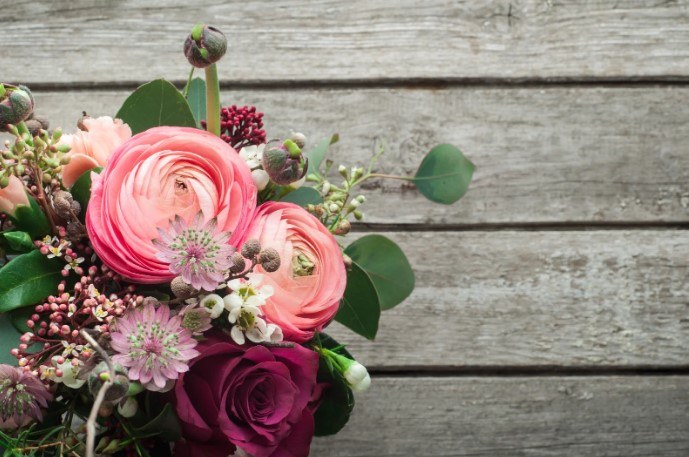
Local florists will give you the freshest options and can do same-day arrangements, usually for $25–$60. Grocery store flower sections (Trader Joe’s, Whole Foods, Kroger) are excellent for budget buys at $8–$20. Farmers markets near the end of May or early June often carry seasonal blooms like peonies and ranunculus at reasonable prices. Avoid ordering online for same-day last-day gifts unless you’re using a service like Teleflora or 1-800-Flowers with confirmed local delivery.
Presentation Details That Elevate a Simple Bouquet
- Wrap stems in kraft paper tied with twine — it looks intentional without being fussy.
- Add a handwritten note tucked into the wrapping. Even three sentences mean more than a pre-printed card.
- Include a small packet of flower food (most florists give these for free) so the blooms last longer at home.
- If giving as a class, have each student sign a card attached to the bouquet rather than giving individual small bunches.
Timing Matters
Give flowers at the end of the day, not the beginning. A teacher who receives a bouquet at 8 AM has to manage it for six hours before they can get it home. End-of-day delivery means they can take it straight to their car and get it in water quickly — keeping it fresh and making the moment feel like a proper send-off.
What to Avoid Giving
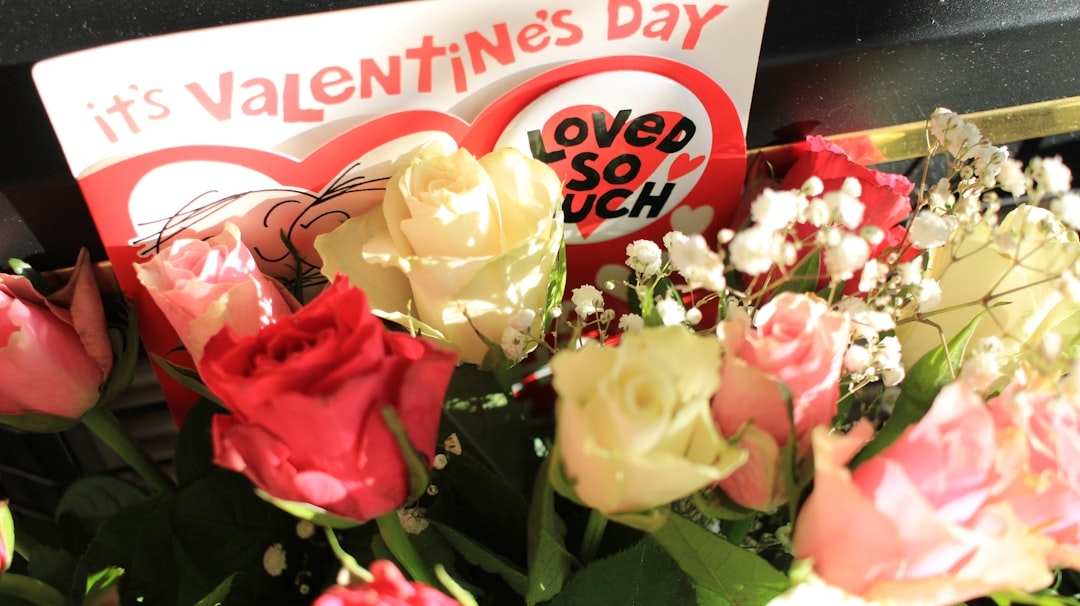
Roses are beautiful, but they carry a romantic connotation that can make the gift feel awkward in a school setting. Red roses especially — skip them. Heavily fragrant flowers like gardenias or lilies can be a problem if the teacher has scent sensitivities or if they’re staying in a shared staff room. Carnations are often seen as an afterthought (fairly or not), so if you’re going that route, make sure they’re part of a mixed arrangement rather than the star.
Budget Guide: What to Spend
- Under $15: A single sunflower stem with greenery, or a small bunch of seasonal tulips from a grocery store. Totally appropriate and well-received.
- $15–$30: A mixed bouquet of 8–12 stems, or a small potted herb arrangement. This is the sweet spot for most individual family gifts.
- $30–$60: A full florist-arranged bouquet, peonies, or a premium potted plant. Great for a class pooled gift or a teacher who made a significant impact.
- $60+: Reserved for extraordinary circumstances — a teacher who tutored your child through a crisis, or a retirement send-off.
FAQ: Teacher Appreciation Flowers
What is the best flower to give a teacher?
Sunflowers and tulips are the top choices — they’re cheerful, non-romantic, easy to find, and affordable. Sunflowers in particular carry a universally positive association and work for any age group or subject area.
Is it appropriate to give flowers to a teacher?
Yes, absolutely. Flowers are a standard, widely accepted gift for teachers at end-of-year or appreciation events. They’re professional, celebratory, and not a conflict of interest concern the way gift cards sometimes are under school district policies.
How much should I spend on teacher appreciation flowers?
For an individual family gift, $15–$30 is the standard and appropriate range. For a class pooling money together, $40–$60 allows for a full, impressive bouquet from a local florist.
Should I give a potted plant or cut flowers to a teacher?
Cut flowers are easier for the teacher to manage on a busy last day of school. Potted plants are a better choice only if you know the teacher enjoys gardening or has mentioned having plants at home.
What flowers should I avoid giving a teacher?
Avoid red roses (romantic connotation), heavily fragrant lilies or gardenias (potential scent sensitivity), and very large arrangements that are difficult to transport. Keep the gift manageable and seasonally appropriate.
Make This Year’s Gift the One They Remember
The last day of school is fleeting — and so is the chance to mark it with something real. Teacher appreciation flowers don’t need to be elaborate. They need to be chosen with the actual person in mind: their personality, their classroom, the season, and the year you shared. A $12 bunch of sunflowers with a heartfelt note will outlast a $50 generic gift basket in a teacher’s memory every single time.
Walk into your local florist or farmers market this week. Tell them it’s for a teacher. Let them help you pick something seasonal and genuine. That conversation alone will lead you to the right choice — and your teacher will feel it the moment they hold it in their hands.