The Best Flowers to Give on Mother’s Day (And What Each One Really Says)
6 min read
Contents:
- Why Flower Choice Matters More Than You Think
- The Classic Mother’s Day Flowers and What They Mean
- Roses: More Nuanced Than You’d Expect
- Peonies: The Apartment-Friendly Showstopper
- Tulips: Cheerful, Affordable, and Often Overlooked
- Lilies: Fragrant, Long-Lasting, But With a Caveat
- The Carnation Question: Underrated or Outdated?
- Eco-Friendly and Sustainable Flower Choices
- Practical Tips for Giving Flowers in Small Spaces
- Think in Stems, Not Bunches
- Include a Vase
- Time the Delivery Right
- FAQ: Mother’s Day Flowers
- What are the most popular Mother’s Day flowers in the US?
- How long do Mother’s Day flowers typically last?
- What flowers are best for a small apartment or limited space?
- Are there flower options that are both affordable and meaningful?
- What is the most eco-friendly way to give flowers on Mother’s Day?
- Make It Last Beyond Sunday
Mother’s Day flowers have carried meaning for over a century. Anna Jarvis, who founded the American Mother’s Day holiday in 1908, specifically chose the white carnation as its floral symbol — her own mother’s favorite bloom. That single choice set off a tradition that now drives over $2.6 billion in flower sales each year in the United States alone, making it the single biggest floral holiday on the calendar.
But the carnation is just the beginning. Today’s flower choices are richer, more personal, and more varied than ever. Whether you’re ordering same-day delivery to a city apartment or assembling a small arrangement for a bedside table, the right bloom makes all the difference.
Why Flower Choice Matters More Than You Think
Flowers communicate in a precise language. A peony says lush abundance. A sunflower says warmth and loyalty. A white lily says reverence. Picking randomly from a grocery store bucket often results in a forgettable gift. Choosing intentionally — even a single stem — turns a simple gesture into something that lands.
For someone in a small apartment, scale matters too. A dramatic 24-stem arrangement can overwhelm a studio kitchen counter. Three well-chosen stems in a bud vase can feel deliberate, beautiful, and perfectly sized for the space.
The Classic Mother’s Day Flowers and What They Mean
Roses: More Nuanced Than You’d Expect
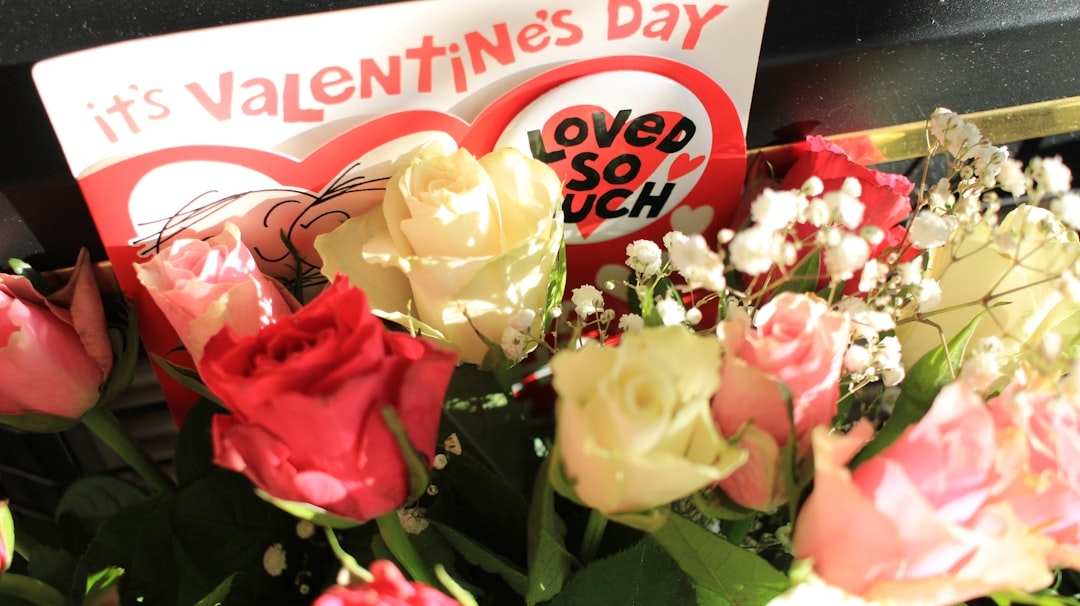
Roses are the default — but that doesn’t make them wrong. Pink roses, specifically, are the most popular Mother’s Day choice in the US, symbolizing gratitude and admiration rather than romantic love (which red roses carry). A bouquet of 12 blush or coral roses typically runs $35–$65 from a florist, less from a grocery chain. Garden roses, with their fuller, more ruffled heads, look especially lush and tend to have a stronger fragrance than hybrid tea roses.
Peonies: The Apartment-Friendly Showstopper
Peonies bloom in May, which makes them perfectly timed for Mother’s Day. Three to five stems fill a small vase without crowding a counter. They open slowly over 5–7 days, so they reward patience. Expect to pay $8–$14 per stem from a florist; buying a bunch of five from a farmers’ market or Trader Joe’s often costs less than $20 total. Coral, blush, and white varieties are all widely available in spring.
Tulips: Cheerful, Affordable, and Often Overlooked
Tulips are one of the most cost-effective choices — a 10-stem bunch commonly sells for $10–$18 — and they photograph beautifully in natural light. Parrot tulips, with their fringed, flame-streaked petals, look far more exotic than their price suggests. They last 5–7 days in a cool room and do well in narrow-necked vases common in smaller spaces.
Lilies: Fragrant, Long-Lasting, But With a Caveat
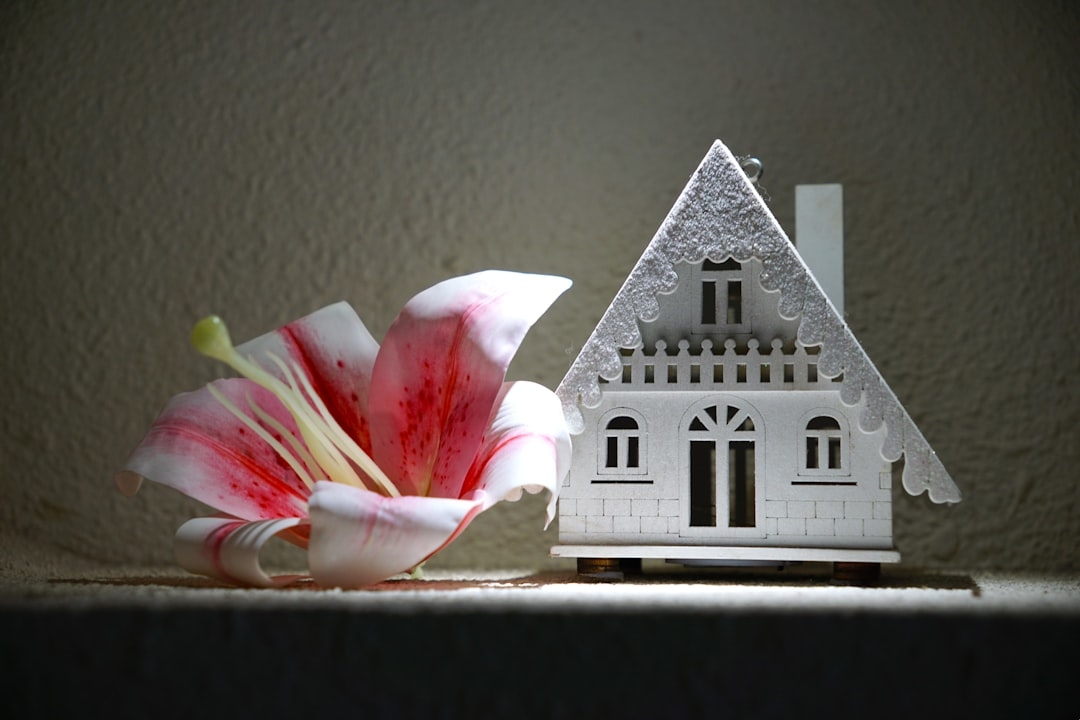
Asiatic and Oriental lilies are striking and long-lived — a single stem with multiple buds can bloom for up to two weeks. The caveat: Oriental lilies are highly toxic to cats. If the recipient shares an apartment with a feline, skip them entirely and consider a cat-safe alternative like snapdragons or orchids.
The Carnation Question: Underrated or Outdated?
Carnations are often dismissed as cheap filler flowers, but that reputation is largely unfair. Standard carnations do look thin and flat. Spray carnations, however — the multi-headed variety — have a fuller, more textured look and hold their shape for up to three weeks, longer than almost any other cut flower. Anna Jarvis chose the white carnation because it represented purity and endurance. That’s still a meaningful message.
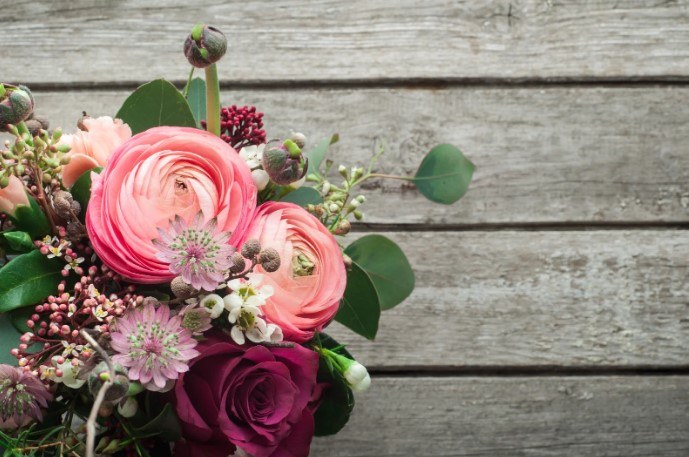
The confusion to clear up: carnations are often compared unfavorably to ranunculus, which have a similar layered petal structure but a rounder, more voluminous shape. Ranunculus cost more ($5–$10 per stem) but are widely considered the more elegant option for gifting. Both are valid — it comes down to budget and aesthetic preference.
Eco-Friendly and Sustainable Flower Choices
The conventional cut flower industry has a significant environmental footprint. Roughly 80% of flowers sold in the US are imported, primarily from Colombia and Ecuador, and involve extensive refrigeration, air freight, and pesticide use.
More sustainable options are increasingly accessible:
- Local farmers’ market flowers — typically grown within 100 miles, sold in season, and often pesticide-free. May through June is peak season for peonies, ranunculus, and sweet peas in most US regions.
- Potted plants instead of cut flowers — a potted gardenia, miniature rose bush, or kalanchoe lasts weeks to months rather than days. For small apartments, a 4-inch pot fits on any windowsill.
- Certified florists — look for shops affiliated with Certified American Grown or Rainforest Alliance-certified suppliers, which enforce stricter labor and environmental standards.
- Dried or preserved flowers — pampas grass, dried peonies, and lunaria (honesty plant) require no water, produce no waste, and last indefinitely. A growing segment of florists now specialize in these arrangements.
Practical Tips for Giving Flowers in Small Spaces
Think in Stems, Not Bunches
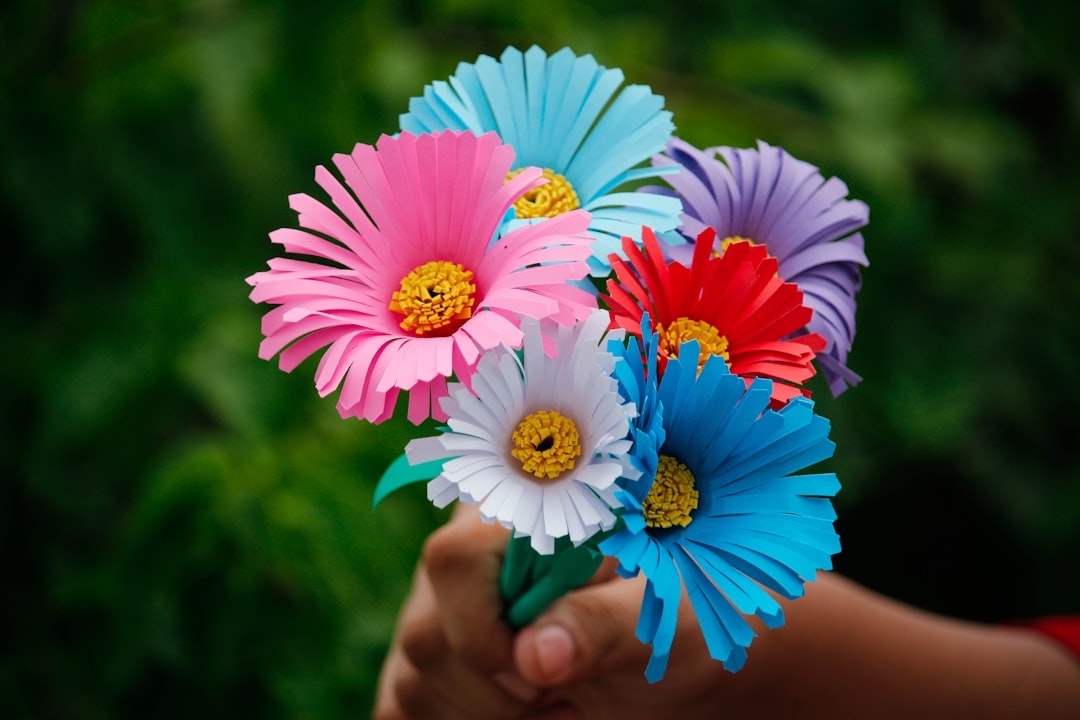
A single stem of a garden rose or peony in a simple glass bottle is more impactful — and more apartment-appropriate — than a 20-stem bouquet jammed into a plastic sleeve. Three stems of ranunculus in a bud vase costs under $25 and looks intentional rather than hasty.
Include a Vase
Many recipients, especially in apartments, don’t own a proper vase. A $12–$18 ceramic or glass bud vase from Target or a local thrift shop turns the gift into something reusable. It also signals that you thought past the moment of delivery.
Time the Delivery Right
Mother’s Day is the second-busiest delivery day for US florists after Valentine’s Day. Orders placed fewer than 48 hours before the holiday often arrive with substituted flowers or next-day delays. Order by Wednesday for Sunday delivery to ensure availability of specific varieties.
What the Pros Know
Professional florists condition their stems before arranging — cutting at a 45-degree angle under running water and letting them sit in cool water for at least two hours before arranging. Pass this tip along with your gift. It can add 2–3 extra days of vase life to almost any cut flower, including roses and peonies.
FAQ: Mother’s Day Flowers
What are the most popular Mother’s Day flowers in the US?
Roses, tulips, and lilies are consistently the top three sold in the US for Mother’s Day. Peonies have grown significantly in popularity over the past decade due to their seasonal availability in May and their lush, photogenic appearance.
How long do Mother’s Day flowers typically last?
Vase life varies by flower: roses last 7–10 days, tulips 5–7 days, peonies 5–7 days, carnations up to 3 weeks, and lilies up to 2 weeks. Keeping stems trimmed, water changed every 2 days, and arrangements away from direct sunlight extends vase life significantly.
What flowers are best for a small apartment or limited space?
Opt for 3–5 stems in a bud vase rather than large bouquets. Peonies, ranunculus, and garden roses offer high visual impact at low stem counts. Potted plants like kalanchoe or miniature orchids work especially well in small spaces and require no vase.
Are there flower options that are both affordable and meaningful?
Yes. Spray carnations last the longest of any cut flower and cost as little as $1–$2 per stem. Tulips offer striking color for $1–$2 per stem as well. Pairing affordable blooms with a thoughtful handwritten note elevates any budget arrangement.
What is the most eco-friendly way to give flowers on Mother’s Day?
Buy locally grown, in-season flowers from a farmers’ market or a florist that sources from domestic farms. Alternatively, give a potted plant that the recipient can grow for months or years. Avoid floral foam (oasis), which is non-biodegradable — ask florists for foam-free arrangements.
Make It Last Beyond Sunday
The most memorable flower gifts are ones that don’t end when the petals drop. Consider pairing a fresh bouquet with a packet of bulbs — tulip or peony bulbs planted in a balcony pot in fall will bloom the following spring. It turns a one-time gesture into a recurring one. For apartment dwellers with limited outdoor space, a windowsill herb garden kit alongside a small flower bunch combines beauty with daily utility. The flowers say today. The growing thing says I thought about you past Sunday.