The Best Flowers to Give on International Women’s Day (And What They Actually Mean)
7 min read
Contents:
- Why Flowers on International Women’s Day?
- Best International Women’s Day Flowers by Meaning
- Mimosa (Yellow Wattle)
- Tulips
- Peonies
- Sunflowers
- Irises
- Eco-Friendly Flower Options Worth Considering
- A Quick Seasonal Flower Calendar for March
- Budget Guide: What to Spend
- Practical Tips for First-Time Flower Givers
- Frequently Asked Questions
- What is the traditional flower for International Women’s Day?
- What color flowers are associated with International Women’s Day?
- Is it appropriate to give flowers to a female colleague on International Women’s Day?
- How much should I spend on International Women’s Day flowers?
- What flowers last the longest after gifting?
- Make It Count This March 8th
Here’s something most people don’t know: International Women’s Day has been celebrated since 1911, and flowers have been part of the tradition almost from the start. In many Eastern European countries, it’s still customary for men to gift women a single mimosa bloom on March 8th — a tradition so embedded in Italian culture that the day is nicknamed La Festa della Mimosa. That’s over a century of floral gifting, and yet most people in the US still reach for a generic bouquet without thinking twice. You can do better.
Choosing the right international women’s day flowers isn’t just about picking something pretty. It’s about understanding what a flower communicates, who you’re giving it to, and what the occasion actually stands for — equality, strength, appreciation, and solidarity. This guide walks you through everything, from the most meaningful blooms to budget-friendly picks and sustainable options that won’t cost the earth.
Why Flowers on International Women’s Day?
March 8th is a global holiday recognized in over 100 countries. In the US, it’s increasingly observed in workplaces, schools, and communities as a moment to honor women’s achievements and advocate for gender equality. Flowers fit naturally into this because they’ve long been used to express what words sometimes can’t — gratitude, admiration, and respect.
The mimosa connection traces back to Italian socialist groups in the early 20th century, who chose the flower because it bloomed in late winter and was both affordable and widely available. That combination of symbolism and accessibility is still a useful framework when choosing your blooms today.
Best International Women’s Day Flowers by Meaning
Not all flowers say the same thing. Here’s a breakdown of the most popular choices and the message each one sends.
Mimosa (Yellow Wattle)
The original IWD flower. Mimosa blooms in late February through March, making it seasonally perfect. Its bright yellow clusters symbolize sensitivity and resilience — a fitting combination for the occasion. Specialty florists in major US cities often carry it in late winter; expect to pay around $8–$15 for a small bunch. Call ahead — it’s not always stocked year-round.
Tulips
Tulips peak in March and April, which makes them one of the most naturally timed options for a March 8th gift. Red tulips express deep love and respect; purple tulips represent royalty and admiration. A bouquet of 10 stems typically runs $15–$30 at most US florists or grocery stores. They’re widely available and reliably beautiful.
Peonies
Peonies are a symbol of honor and compassion — two qualities that resonate deeply on IWD. They’re also a favorite among women across age groups. The catch: they’re technically a late spring bloom (May–June), so in March you’re likely buying greenhouse-grown or imported peonies. Budget around $25–$45 for a small arrangement, more if you’re going through a boutique florist.
Sunflowers
Bold, cheerful, and unmistakably uplifting — sunflowers represent admiration and loyalty. They’re a great choice if you want something that feels joyful rather than romantic. A bunch of 6 sunflowers averages around $12–$20 at most US retailers, including Trader Joe’s and Whole Foods, which tend to have solid flower sections in March.
Irises
Irises carry a long history of representing wisdom and courage. Purple irises in particular are a natural fit for International Women’s Day, since purple is one of the movement’s three official colors (alongside green and white). They bloom naturally in spring and cost around $10–$20 per bunch.
Eco-Friendly Flower Options Worth Considering
The US cut flower industry imports roughly 80% of its flowers, primarily from Colombia and Ecuador. That’s a significant carbon footprint before a single stem reaches your local shop. If sustainability matters to you or the person you’re gifting, here are three ways to reduce the impact:
- Buy local and seasonal: Farmers’ markets in late winter often carry locally grown tulips, daffodils, and early spring wildflowers. These have a dramatically lower transport footprint.
- Choose potted plants: A potted orchid or lavender plant lasts weeks or months longer than cut flowers and produces no waste. Prices range from $10–$35 depending on the plant and pot.
- Look for certified sustainable bouquets: Some florists and grocery chains (like Whole Foods) carry Rainforest Alliance or Fair Trade certified flowers, which meet environmental and labor standards.
A Quick Seasonal Flower Calendar for March
Timing your purchase around what’s actually in season gives you fresher flowers at a better price. For the US market in early March:
- Naturally in season (US-grown): Daffodils, ranunculus, anemones, early tulips (USDA Zones 7–10)
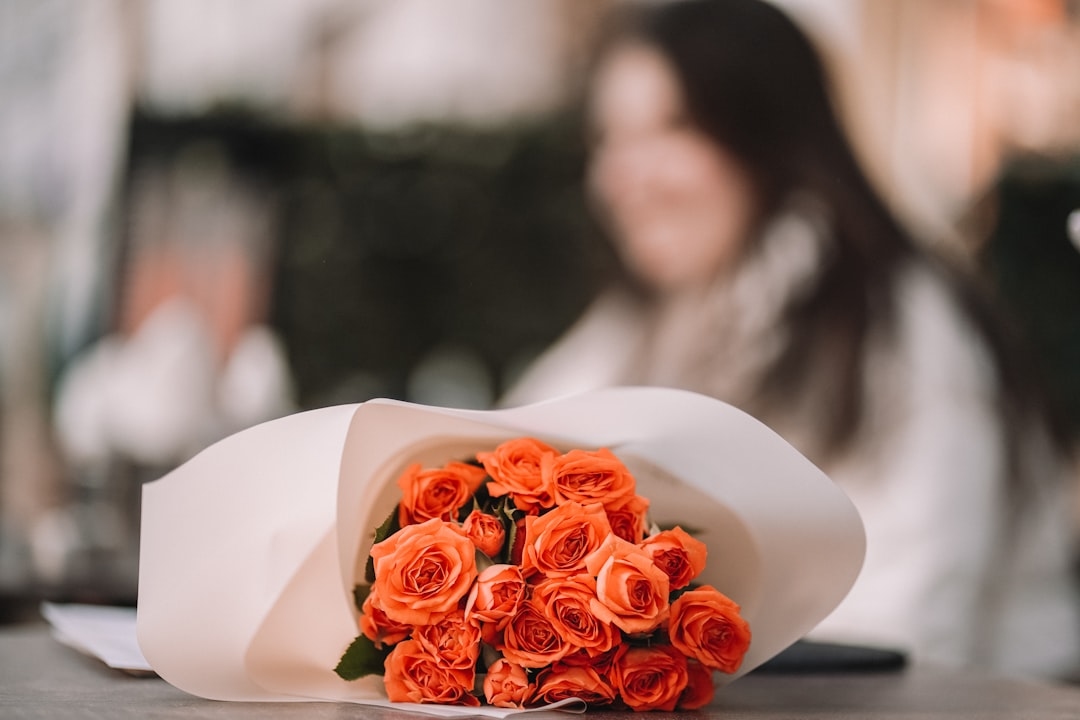
- Widely available but often imported: Roses, lilies, carnations, peonies
- Specialty or limited availability: Mimosa — call ahead to reserve
If you’re ordering for delivery, place your order at least 3–5 days before March 8th. Many florists see a significant spike in orders in the first week of March, similar to Valentine’s Day demand.
Budget Guide: What to Spend
You don’t need to overspend to make a meaningful gesture. Here’s a simple breakdown:
- Under $20: A single-variety bunch (sunflowers, tulips, daffodils) from a grocery store — totally appropriate and genuinely lovely.
- $20–$50: A mixed seasonal arrangement from a local florist, or a potted plant with a handwritten note.
- $50–$100+: A premium bouquet from a specialty florist, same-day delivery in major cities, or a subscription box (like UrbanStems or The Bouqs Co.) with a curated IWD arrangement.
Presentation matters more than price. A $15 bunch of tulips wrapped in kraft paper with a thoughtful note will land better than an expensive arrangement in a generic box.
Practical Tips for First-Time Flower Givers
- Ask your florist for advice. Tell them the occasion, your budget, and anything you know about the recipient’s style. A good florist will guide you in under five minutes.
- Trim the stems at a 45-degree angle before placing them in water — this helps the flowers absorb water more effectively and extends their life by several days.
- Keep flowers away from direct sunlight and fruit bowls. Ripening fruit releases ethylene gas, which accelerates petal drop.
- Add a note. Even three sentences explaining why you’re giving the flowers makes the gesture significantly more personal.
- For workplace gifting, stick to smaller, non-romantic bouquets — a few stems of iris or a small succulent are welcoming without being awkward in a professional setting.
Frequently Asked Questions
What is the traditional flower for International Women’s Day?
The traditional International Women’s Day flower is the mimosa (yellow wattle). This tradition began in Italy in the early 20th century and remains popular across Europe. In the US, mimosa isn’t as widely known for IWD, but it can be found at specialty florists in late February and early March.
What color flowers are associated with International Women’s Day?
The official colors of the International Women’s Day movement are purple, green, and white. Purple represents justice and dignity, green symbolizes hope, and white represents purity. Irises, lavender, and white tulips all align well with this palette.
Is it appropriate to give flowers to a female colleague on International Women’s Day?
Yes, when done thoughtfully. Keep workplace gifting professional — a small potted plant, a single stem, or a shared arrangement for a team works well. Avoid overly romantic flowers like red roses in a work context.
How much should I spend on International Women’s Day flowers?
A meaningful bouquet doesn’t require a large budget. Anywhere from $15–$40 is typical for a quality bunch or small arrangement. A handwritten note often matters more than the price tag.
What flowers last the longest after gifting?
Carnations, chrysanthemums, and alstroemeria (Peruvian lily) are among the longest-lasting cut flowers — often staying fresh for 10–14 days with proper care. Orchid plants last even longer when potted. Roses and tulips typically last 5–7 days.
Make It Count This March 8th
International Women’s Day lands on March 8th every year, but what you do with it is a choice. A well-chosen bouquet — even a simple one — sends a clear message that you showed up intentionally. Skip the gas station flowers. Take five minutes to pick something with meaning, wrap it nicely, and add a note. Whether it’s a bunch of purple irises for a colleague, a potted orchid for your mother, or a mimosa stem ordered weeks in advance because you actually looked it up — that effort is the whole point.
Start planning now. March arrives faster than it feels like it will.