What Flowers to Give When Visiting Someone’s Home
8 min read
Contents:
- Why Flowers Make the Best Hostess Gift
- The Best Visiting Someone Flowers by Occasion
- Casual Dinner or Weeknight Visit
- Housewarming Party
- Dinner Party or Formal Occasion
- Visiting Someone Who Is Ill or Recovering
- Flowers to Avoid (and Why)
- Sizing Flowers for Small Apartments and Limited Spaces
- Eco-Friendly Flower Choices Worth Knowing
- Practical Tips for Buying and Presenting Flowers
- Where to Buy
- Always Bring a Vase — Or Ask First
- Timing and Presentation
- Frequently Asked Questions
- What are the best flowers to bring when visiting someone?
- Is it rude to bring flowers when visiting someone’s home?
- How much should I spend on flowers as a hostess gift?
- Should I bring flowers in a vase or just the stems?
- What flowers are safe to bring if the host has cats or dogs?
- Make Your Next Visit Unforgettable
What does a bouquet of flowers actually say to the person answering the door? Quite a lot, as it turns out — and not always what you intended. Bringing visiting someone flowers is one of those gestures that feels simple but carries real weight. Choose thoughtfully and you arrive as a guest who truly sees the host. Grab whatever’s on sale at the gas station, and, well, it shows.
The good news: you don’t need a florist’s training to get this right. You just need to know a few key principles — and this guide will walk you through all of them.
Why Flowers Make the Best Hostess Gift
Bottles of wine get forgotten. Chocolates get eaten in a guilt spiral. But flowers change a room. They sit on the kitchen island or the entryway table for 5 to 10 days, quietly reminding your host of a lovely evening shared. That’s lasting impact for a $20 to $35 investment.
According to a Rutgers University study, receiving flowers triggers immediate happiness and boosts long-term mood — effects that lasted three days in the study’s participants. That’s the science behind what florists already know intuitively: flowers work on an emotional level that most gifts don’t reach.
They’re also deeply personal without being intrusive. You don’t need to know someone’s taste in books or wine labels. You just need to know a little about the occasion and the space they live in.
The Best Visiting Someone Flowers by Occasion
Casual Dinner or Weeknight Visit
Keep it relaxed and cheerful. A hand-tied bundle of 9 to 12 mixed stems — sunflowers, zinnias, or a garden-style mix with greenery — hits exactly the right note. Expect to spend $18 to $28 at a grocery store floral department or local flower shop. Skip the formal cellophane sleeve and opt for kraft paper wrapping instead; it photographs better and feels less stiff.
Housewarming Party
New home, new chapter. Go for something with staying power. Potted plants like a flowering kalanchoe or a compact peony bush in a 4-inch pot will outlast cut flowers by months. If you prefer cut blooms, a structured arrangement of garden roses in a reusable ceramic vessel doubles as home décor — the vase becomes part of the gift.
Dinner Party or Formal Occasion
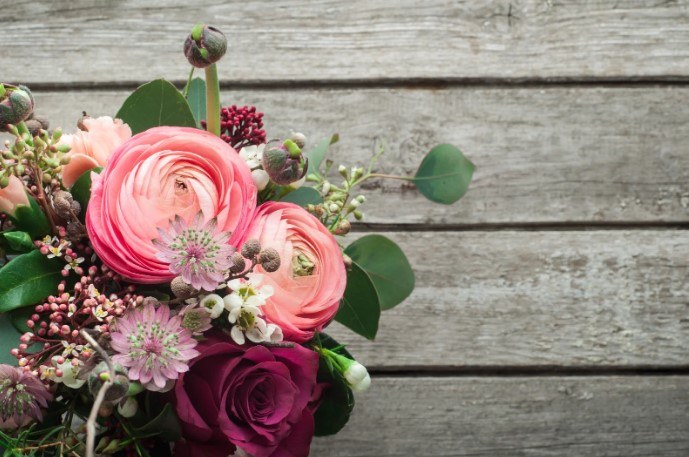
Elegance matters here. White or blush flowers — ranunculus, garden roses, lisianthus — carry a timeless, sophisticated quality. A monochromatic bouquet of 10 to 15 stems in one or two complementary shades looks intentional and polished. Budget $35 to $60 for a florist-designed arrangement at this level.
Visiting Someone Who Is Ill or Recovering
Fragrance-free is the golden rule. Many hospitals and home environments with sick individuals call for odorless blooms — gerbera daisies, alstroemeria, and chrysanthemums are all excellent choices. Avoid lilies entirely (toxic to cats), and check whether the home has pets before selecting anything from the Lilium genus. Bright, cheerful colors — coral, yellow, orange — are proven mood lifters without overwhelming a small room.
Flowers to Avoid (and Why)
Not every beautiful flower belongs in someone’s home as a gift. A few specific situations demand caution:
- Strongly scented blooms like Oriental lilies, gardenias, or hyacinths can trigger migraines in sensitive individuals — and in a small apartment, the scent will dominate every room.
- Oversized arrangements are a burden, not a gift. Anything taller than 14 inches or wider than 12 inches is genuinely hard to place in a studio or one-bedroom apartment.
- Flowers with heavy pollen — particularly open lilies — leave orange stains on fabric and surfaces that are nearly impossible to remove.
- Carnations in certain cultures carry associations with mourning or bad luck. In Polish, German, and some Latin American households, white carnations are funeral flowers. Know your audience.
- Chrysanthemums in French, Belgian, or Italian homes are similarly associated with death and cemeteries. A gorgeous bloom in the US can send entirely the wrong message to a European-born host.
Sizing Flowers for Small Apartments and Limited Spaces
This matters more than most guides admit. A sprawling arrangement that looked stunning on a florist’s display table becomes an obstacle in a 400-square-foot apartment. The host has nowhere to put it, feels stressed rather than delighted, and still has to find a polite way to thank you.
Stick to these measurements for apartment-friendly bouquets:
- Height: 8 to 12 inches from the vase rim to the tallest stem
- Width: No wider than 10 inches across
- Stem count: 7 to 12 stems — enough to look generous, compact enough to fit on a windowsill or bathroom counter
A bud vase with 3 to 5 stems of anemones or sweet peas is genuinely chic — and wildly practical for small spaces. Don’t underestimate the power of restraint.
Eco-Friendly Flower Choices Worth Knowing
The global cut flower industry has a significant carbon footprint — roughly 80% of flowers sold in the US are imported, often from Colombia or Ecuador, and flown in on refrigerated cargo planes. For guests who care about sustainability, this is worth considering.
Seasonally grown, locally sourced flowers from a farmers market or a regional flower farm are the most eco-conscious option. In summer months across most of the US (USDA hardiness zones 5 through 9), you’ll find locally grown dahlias, zinnias, sunflowers, and lisianthus with ease. These flowers also tend to last longer because they haven’t spent days in transit.

Organic cut flowers — certified by USDA or Veriflora — are available at Whole Foods and many independent florists. They cost about 15 to 20% more but are grown without synthetic pesticides, which matters in an enclosed apartment environment where children or pets might be present.
Another angle: give a living plant. A 4-inch pot of herbs like rosemary or basil is useful, sustainable, long-lasting, and genuinely appreciated — especially by hosts who cook. It costs $4 to $10 and never wilts.
Practical Tips for Buying and Presenting Flowers
Where to Buy
Local florists offer the freshest product and the most design expertise — especially for same-day needs. Grocery store floral departments (Trader Joe’s, Whole Foods, and Kroger consistently rank highest for quality) are reliable for $15 to $30 bouquets. For next-day or scheduled delivery, services like The Bouqs Co. and UrbanStems source directly from farms and offer better freshness than traditional wire services.
Always Bring a Vase — Or Ask First
Handing someone unwrapped stems and saying “do you have a vase?” puts them to work the moment they open the door. Wrap the bouquet so it can sit in water immediately, or bring a small mason jar tied with twine as part of the presentation. It’s a small touch that shows real consideration.
Timing and Presentation
Arrive with flowers already arranged or wrapped neatly — not loose and drooping from the back seat. If you’re driving more than 20 minutes, keep them upright in a cup of water in the cupholder. Hand them to the host at the door with a simple, warm statement: “These made me think of you.” No elaborate explanation needed.
Frequently Asked Questions
What are the best flowers to bring when visiting someone?
Garden roses, tulips, sunflowers, ranunculus, and seasonal wildflowers are universally well-received. Choose 7 to 12 stems, avoid strongly scented varieties in small spaces, and present them in a vase or with one provided.
Is it rude to bring flowers when visiting someone’s home?
No — flowers are one of the most universally appreciated hostess gifts across cultures in the US. The key is choosing appropriately for the occasion and being mindful of the recipient’s space, allergies, and household pets.
How much should I spend on flowers as a hostess gift?
For casual visits, $15 to $25 is generous and appropriate. For dinner parties or more formal occasions, $30 to $55 is the right range. A thoughtful $20 bouquet will always outshine a careless $60 arrangement.
Should I bring flowers in a vase or just the stems?
Either works, but including a simple vessel — even a mason jar — removes the burden from your host and ensures the flowers go straight into water. Florist-wrapped stems are fine if you confirm the host has vases at home.
What flowers are safe to bring if the host has cats or dogs?
Gerbera daisies, roses (without thorns trimmed), snapdragons, and alstroemeria are pet-safe options. Avoid lilies entirely — all parts of the Lilium and Hemerocallis genera are highly toxic to cats and can cause kidney failure.
Make Your Next Visit Unforgettable
A well-chosen bouquet doesn’t require a big budget or a florist on speed dial. It requires about five minutes of intentional thinking: Who is this person? What’s the occasion? What’s their space like? Answer those three questions and you’ll arrive with flowers that genuinely delight — not just flowers that technically count as a gift.
Next time you’re heading to a dinner party or dropping by a friend’s new place, try something specific: seasonal stems from a local farmers market, a pet-safe bundle in a reusable ceramic pot, or a monochromatic arrangement that doubles as décor. Those small choices are what separate a forgettable gesture from one that a host will talk about for years.